
Key takeaways
- Common lawn pests like grubs, chinch bugs, and armyworms can destroy your grass fast if not caught early.
- Identifying the right pest is key. Look for signs like brown patches, chewed grass, or spongy turf.
- Quick fixes include introducing beneficial nematodes, using insecticidal treatments, and keeping your lawn healthy year-round.
Nothing ruins a good day faster than seeing your yard get trashed by pests.
Whether it’s random brown patches, chewed-up grass, or creepy crawlies everywhere, it’s frustrating.
But the good news? There are only a handful of usual suspects when it comes to lawn damage.
Better yet, you can stop them if you catch them early.
Let’s break down the most common pests wrecking your yard and how to deal with them fast.
Common lawn pests and what you can do about them
#1 — Grubs
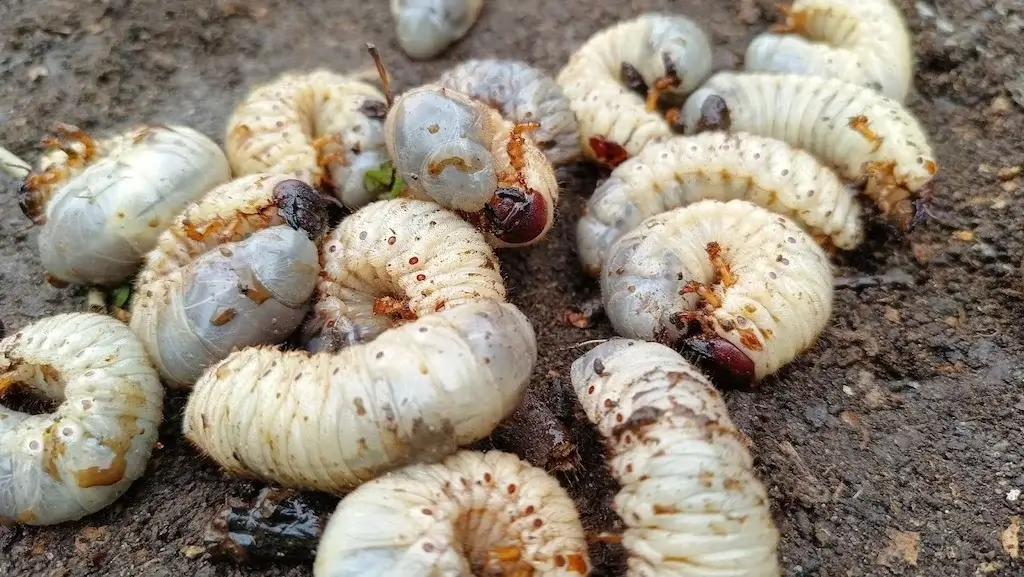
Grubs are sneaky little pests hiding in your soil and chewing on your grass roots. They’re the larvae of beetles like Japanese beetles and June bugs.
While they stay hidden, they can cause serious damage to your lawn.
How can you tell if you’ve got grubs? Pull up a patch of dead grass.
If it comes up too easily, like peeling off a bad rug, look underneath.
If you see white, C-shaped critters, you’ve found your culprits — grubs eating through your lawn’s foundation.
To deal with grubs, there are two options.
First, try nematodes — tiny worms that hunt grubs. It’s a natural way to handle them.
Or, go for a grub-specific insecticide. Make sure to apply it when grubs are near the surface, usually in late summer.
Look out for spongy grass, thinning areas, and grass that’s easy to pull up. You might also notice more wildlife, like birds or raccoons, digging around for a grub snack.
Spot the signs early, and you’ll avoid bigger problems later.
If this sounds tricky or you’d rather leave it to the pros, consider reaching out for professional grub control services. It’s one way to make sure your lawn is in good hands.
#2 — Chinch bugs
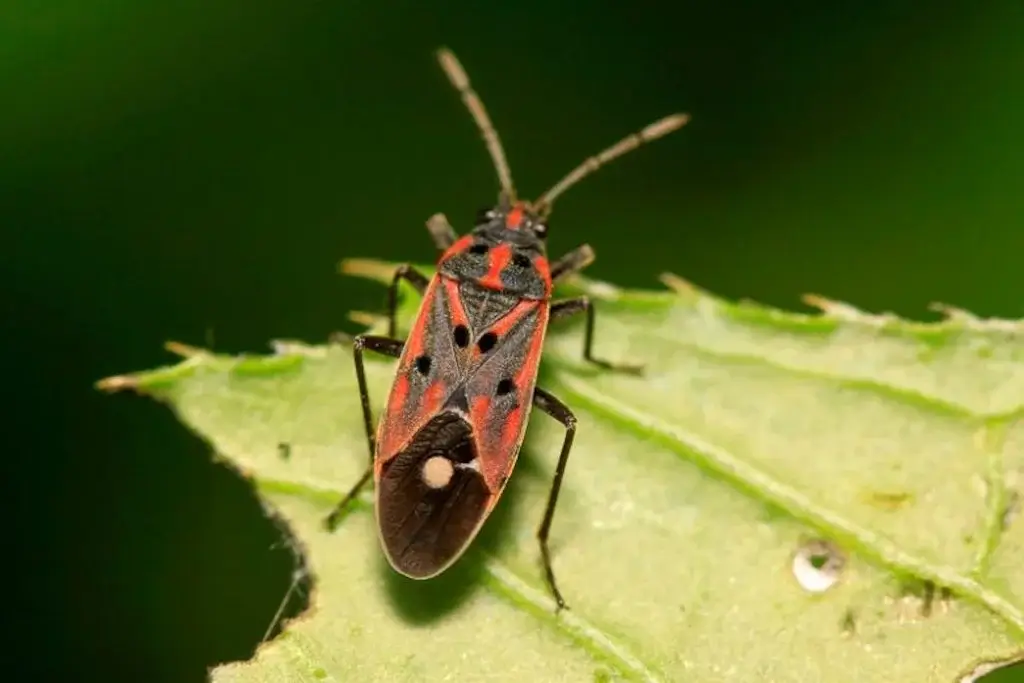
Chinch bugs might be tiny, but they can do real damage. These insects suck moisture out of grass blades, leaving yellow or brown patches behind — especially in hot weather.
To spot them, check near damaged grass. Part the blades and look closely.
Chinch bugs are about 1/5 inch long, black, with white wings. They’re quick, so don’t blink.
So, how do you get rid of them?
Mow your grass shorter to disrupt their habitat. Try to water deeply but less often.
Chinch bugs thrive in dry conditions, so consistent moisture makes life harder for them.
For a natural approach, try neem oil or add ladybugs, which eat chinch bugs.
If that’s not cutting it, you can use an insecticide made for chinch bugs. Just double-check it’s safe for your lawn.
#3 — Armyworms
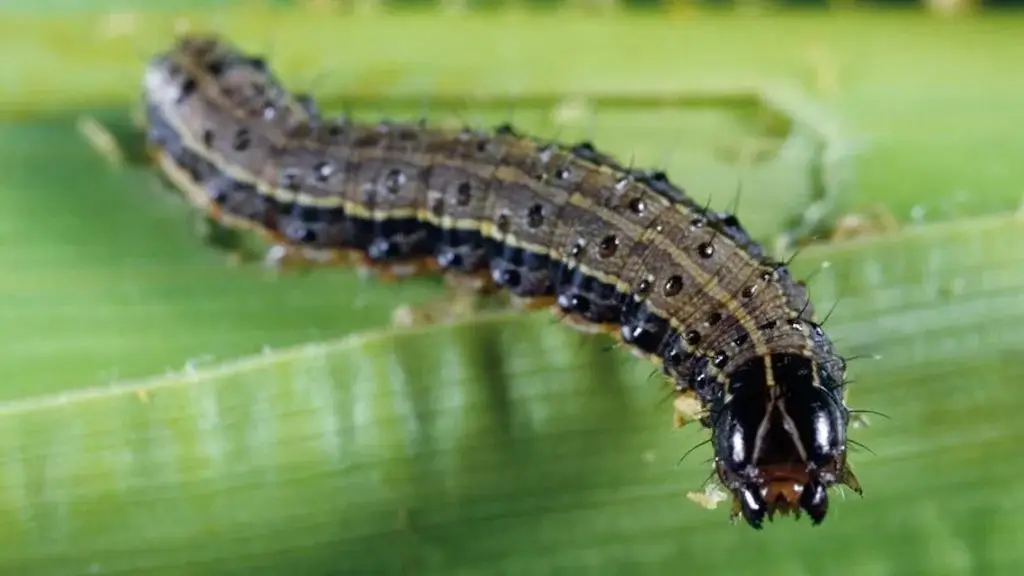
Armyworms are troublemakers. These caterpillars move in packs, devouring sections of grass overnight. They chew grass blades down to nothing, leaving bare patches behind.
You’ll spot armyworms in the evening or early morning when they’re most active. Look for greenish-brown caterpillars feeding along the edges of your grass.
To control them, start with Bacillus thuringiensis (Bt), a bacteria that targets caterpillars without harming other creatures.
For tougher infestations, try insecticidal soap or a pyrethrin-based spray.
If it sounds like a headache, calling for professional pest control services can make things easier. They’ll handle the armyworms, so you don’t have to.
#4 — Sod webworms

Sod webworms are pesky caterpillars that love snacking on your lawn.
They build little silk tunnels just below the surface and come out at night to munch on grass. They’ll leave irregular, chewed-up patches behind.
To get rid of them naturally, try Bacillus thuringiensis (Bt) or some nematodes.
If that doesn’t do the trick, go with a liquid insecticide made for sod webworms. Regular watering also helps, since they prefer dry lawns.
See any webbing on the grass or ragged patches? That’s your cue to step in before they do more damage.
#5 — Mole crickets
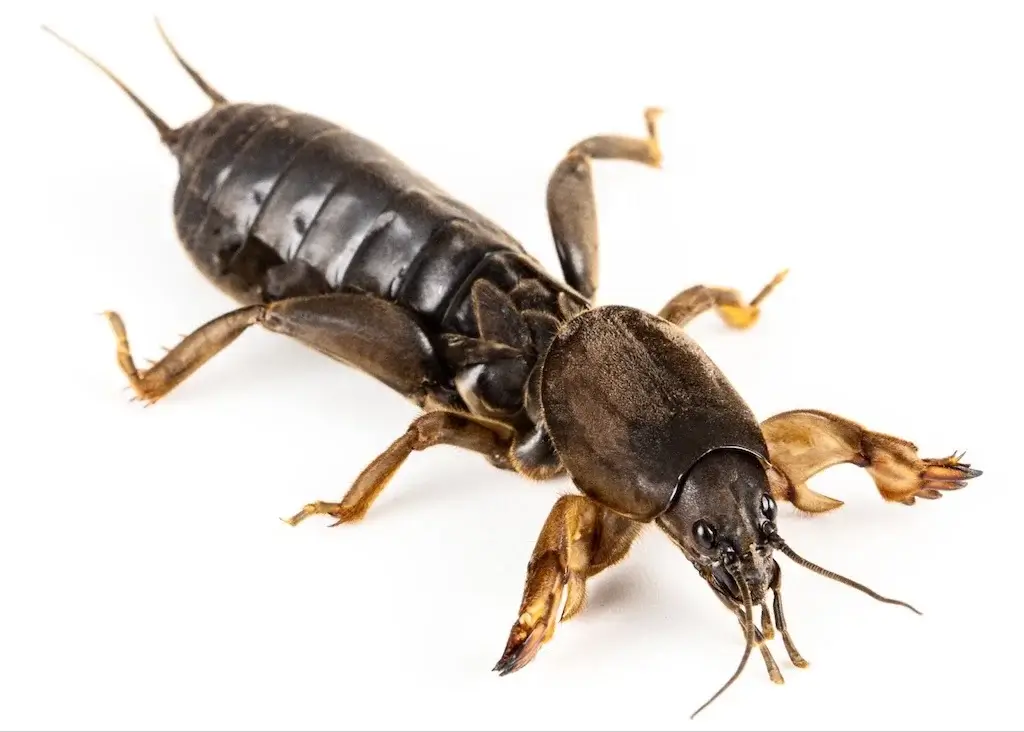
Mole crickets live underground, where they dig tunnels and uproot grass as they go. You can see their handiwork in the form of raised soil and soft patches underfoot.
Like other pests, mole crickets like to cause damage at night.
A simple trick to flush them out is using soapy water. Mix dish soap with water and pour it over affected areas — the soap forces them to the surface, making them easier to deal with.
For heavier infestations, bait traps or granular insecticides are the way to go.
Also, reduce irrigation in affected areas. Mole crickets love overly wet soil, so don’t overwater your lawn.
#6 — Billbugs

Billbugs are tiny beetles that lay eggs in your lawn. When the larvae hatch, they feed on grass stems and roots, causing visible damage.
If you notice grass that pulls up easily and a sawdust-like residue at the base, billbugs might be the problem.
They especially love bluegrass and ryegrass.
To control billbugs, target them in spring when they’re laying eggs. That’s the best time to apply insecticides or call in a professional pest control service.
You can also overseed with resistant grass types and keep your soil in good shape with regular fertilizing and aeration. Taking these steps early beats dealing with a wrecked lawn later on.
#7 — Cutworms

Cutworms are thick caterpillars that cut grass at the base, usually overnight. They leave wilted or clipped patches in their wake, then hide during the day, curled up in the soil near the damage.
To deal with cutworms, try botanical insecticides or Bacillus thuringiensis (Bt) for a natural approach.
Also, keep your lawn tidy. Clear away any garden debris or mulch where cutworms might hide.
Regular checks, especially after laying new sod, help prevent these pests from settling in.
Keep pests out of your lawn for good
Keeping pests out of your lawn starts with prevention, not just reacting to damage. Investing in a healthy lawn is your best defense.
It all comes down to a few simple habits that keep it healthy and less inviting to insects.
Start with regular mowing — pests love tall, unkempt grass, so keeping it trimmed makes a big difference.
Water with care, not too much or too little, since too much moisture attracts some pests, while dry conditions appeal to others.
Also, fertilize based on a soil test to make sure you’re giving your lawn exactly what it needs.
Consider overseeding with pest-resistant grass, like tall fescue, which naturally deters certain insects.
You can also introduce beneficial insects or nematodes as a chemical-free way to keep pest numbers low.
Finally, keep an eye on any changes. Spotting issues early always makes control easier. And if it feels like a lot to keep up with, getting full service lawn care from professionals will keep your lawn thriving without having to worry about all the work.
