
Key takeaways
- Lawn care for beginners means cleaning, mowing, watering, and feeding your grass in easy steps that don’t need fancy tools or expert skills.
- Mow once a week, water deeply but not daily, and feed twice a year with beginner-safe fertilizer.
- Fix bare spots fast, stop weeds early, and don’t panic over brown patches… they’re normal and fixable.
Your yard looks rough and you want it to look better.
But you don’t want to spend every weekend guessing.
Here’s a simple fix… no fancy tools, no complicated steps. Read on and learn what to do, when to do it, and why it works.
If you’ve got grass and want it to look decent, this guide makes it easy.
Lawn care tips for beginners
Tip 1: Clean up your yard before anything else

Skip this, and everything else gets harder.
You can’t mow, water, or feed your lawn properly if it’s covered in debris.
So, grab a rake and some gloves. Make sure that you clear out:
- Dead leaves
- Broken sticks
- Trash or toys
- Old mulch or clippings
Go easy with the rake. No need to tear up healthy grass, just clear the surface.
Check for matted-down spots where grass looks flat or stuck. Rake those gently to let in sunlight and air.
While you’re at it, pull any big weeds you see. Don’t worry about the tiny ones yet.
Once you’re done, the lawn will look cleaner, and more importantly, it’ll be ready for the next step.
Tip 2: Cut your grass shorter on the first mow
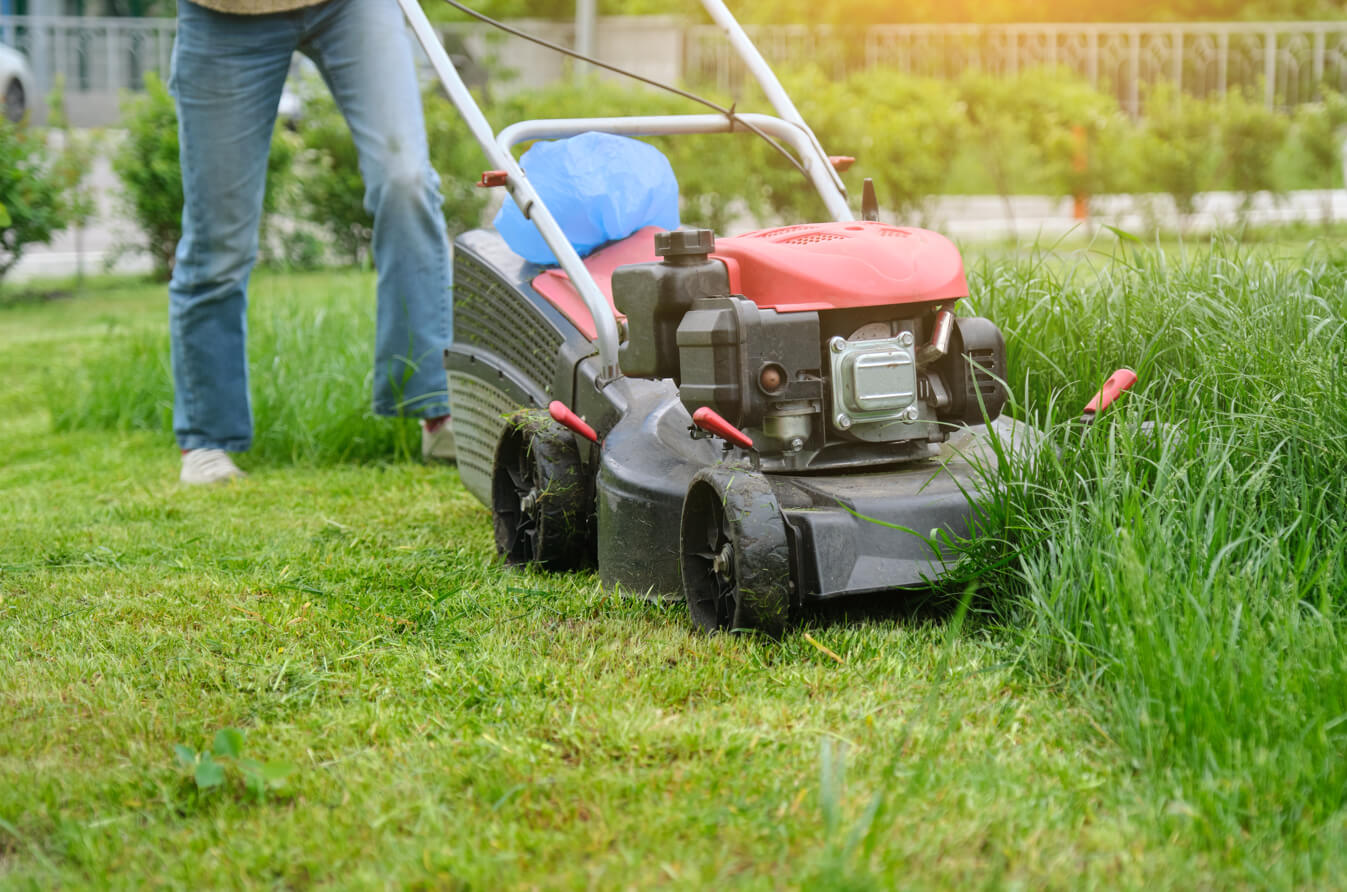
The first mow isn’t to make things look perfect. It’s to reset your lawn.
Set your mower blade lower than usual, around 1.5 inches tall, unless your grass type needs more.
Cutting it short helps remove dry, dead tips. It helps new blades grow through faster.
Before you mow, check these basics:
- Sharpen the mower blade (dull blades tear, not cut)
- Clear sticks, rocks, or anything that could jam the mower
- Wait for a dry day; never mow wet grass
Electric mowers are great for beginners because they’re light, quiet, and easy to store.
Manual reel mowers work too for small yards. Simple, no gas, no mess.
After this first cut, raise your mower height. Taller grass helps shade the soil, cool the roots, and block weeds.
How often should you mow your lawn?
Once a week is usually enough in spring and summer.
If it’s been rainy and growing fast, twice a week might be better.
Follow the one-third rule: Never cut more than one-third of the grass height at once.
Cutting too much at once stresses the grass and weakens the roots.
Mow often to:
- Keep growth even
- Prevent weeds
- Avoid thick, patchy overgrowth
Regular mowing keeps things simple later. Skipping it makes everything harder.
Tip 3: Water smart, not every day
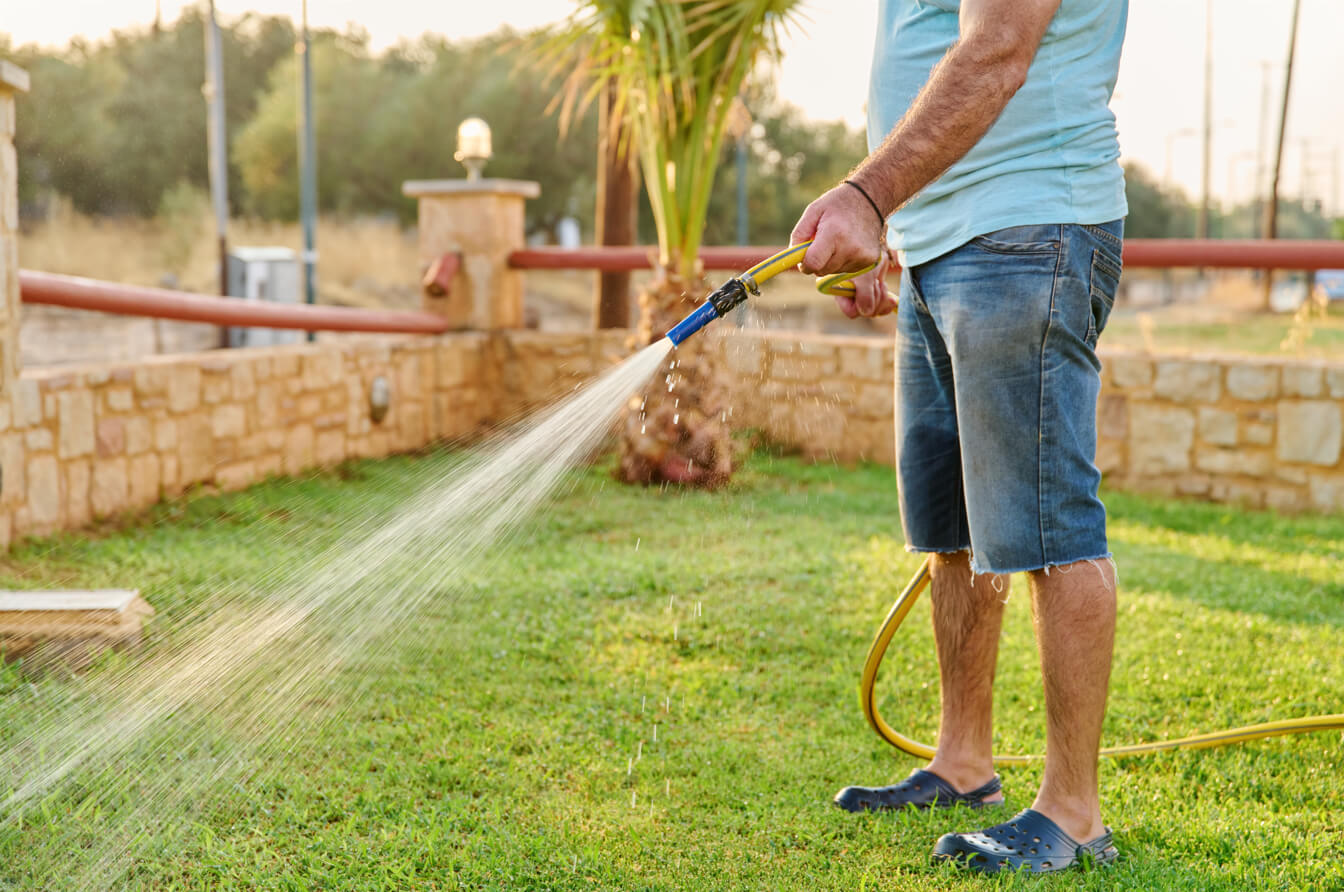
Overwatering does more harm than skipping a day.
Your lawn needs about 1 inch of water per week in total, and that includes rain during the wet seasons.
Do this instead:
- Water twice a week, not daily
- Soak deeply so roots grow strong
- Skip watering after heavy rain
For best results, water during the early morning, between 6–9 a.m. Watering at night can cause soggy soil and fungus.
If you need a visual guide, use an empty tuna can.
When they collect 1 inch of water over the week, you’re good.
What if your area has watering rules or drought?
If you’ve got limits, use hose timers so you don’t forget to shut things off. They’re cheap and save water.
Drought-tolerant grasses like Bermuda or Buffalo are worth planting next season. They hold up better in heat and stay green longer.
Add mulch around trees and borders. It helps retain moisture and stops sprinkler runoff.
Use a broom to clean driveways instead of hosing them. Every drop saved counts when restrictions kick in.
Also try these tips:
- Use a hose timer so you don’t forget to turn it off
- Switch to drought-tolerant grasses like Bermuda or Buffalo next season
- Add mulch around trees and edges to hold moisture
- Sweep driveways and sidewalks instead of hosing them down
Every drop counts when restrictions are in place. These small steps make a big difference.
Tip 4: Feed your lawn with beginner-safe fertilizer

Fertilizer helps your grass grow stronger and greener.
No need to get fancy. Start simple. Look for slow-release types labeled “starter” or “beginner.”
They feed over time and won’t burn your lawn if you use too much.
Check the N-P-K numbers:
- N = nitrogen (for green color)
- P = phosphorus (for root growth)
- K = potassium (for overall strength)
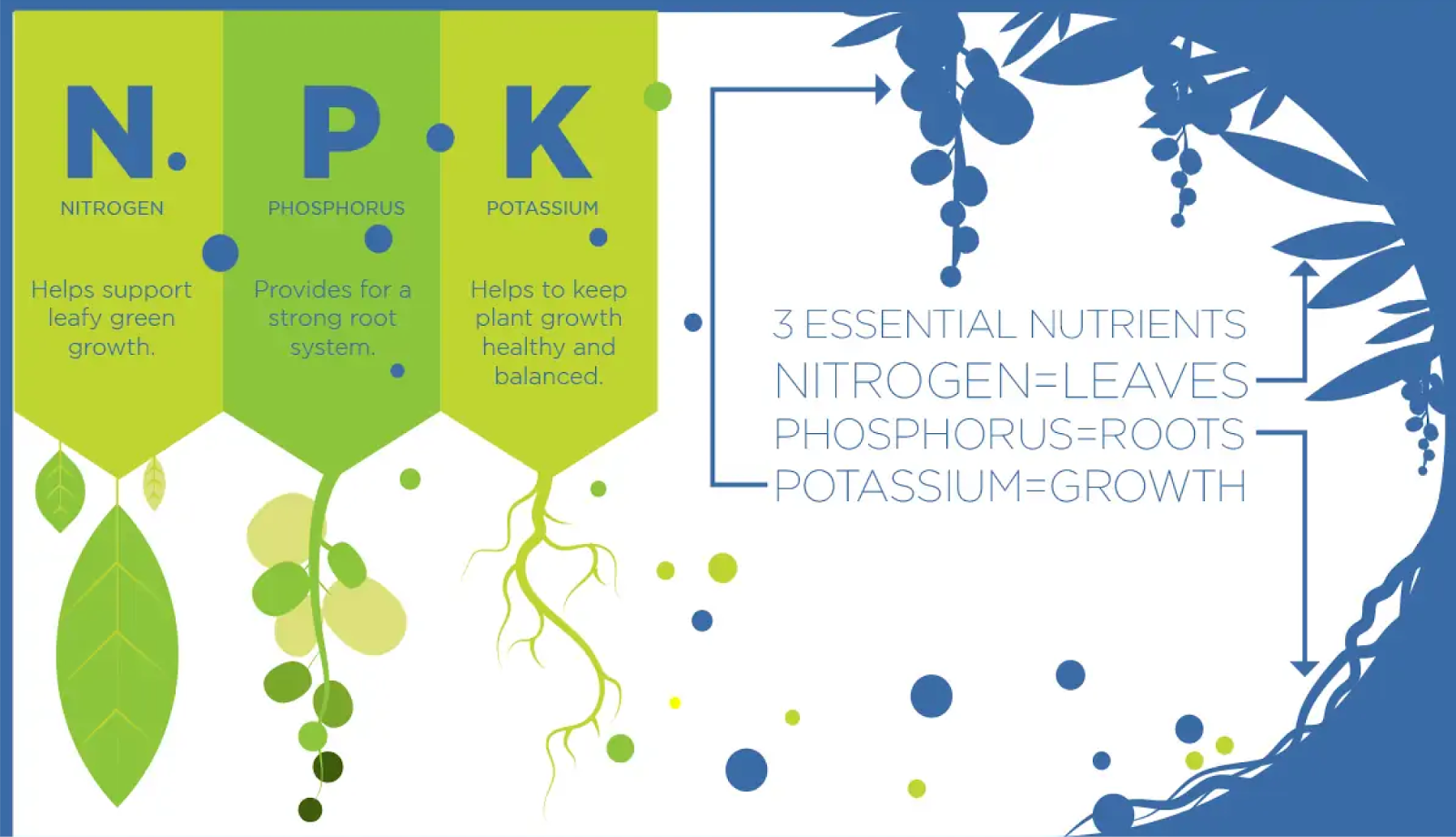
Image source: SodLawn
- You’ll want to apply it in early spring, right after you’ve mowed the lawn a couple of times. Then, give it another round in the fall, just before the first frost hits.
Skip fertilizing during hot summer months unless it’s organic. Heat plus synthetic fertilizer can damage your lawn fast.
Best way to spread fertilizer for small yards
Use a handheld spreader. Walk at a steady pace and crank as you go. It’s simple, even, and doesn’t need batteries or fuel.
After spreading, water lightly to help the fertilizer soak in. Skip it if heavy rain is coming… you’ll just wash it all away and waste your effort.
If you’re not sure which type to use, local lawn care services should be able to handle it for you. Local contractors can help if you’re just getting started or want pro-level results without the stress.
Tip 5: Stop weeds before they show up
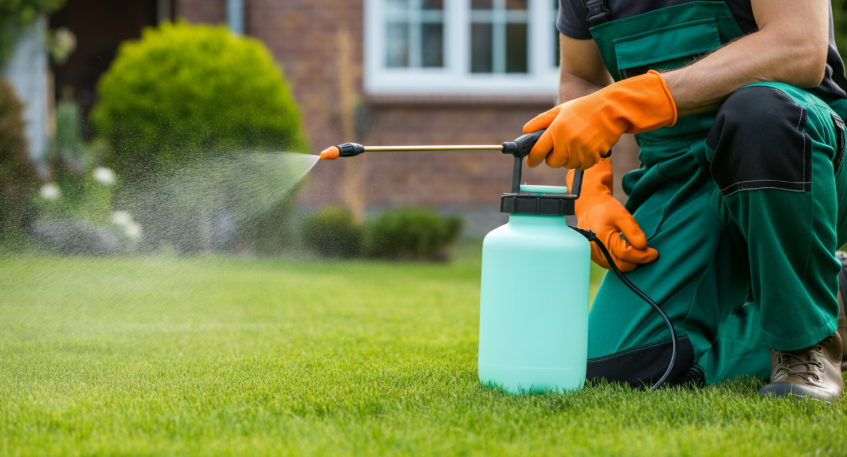
Weeds are easier to prevent than to get rid of.
Use a pre-emergent weed control in early spring, right after your first mow.
It blocks weed seeds from growing… think of it like birth control for your lawn.
And if weeds are already popping up or you just don’t want the hassle, a professional weed control service can totally take it off your hands.
If you’re already seeing weeds like dandelions or crabgrass:
- Use a selective spot spray made for lawns
- Read the label to make sure it won’t kill your grass
- Only spray where needed; don’t overdo it
Too much herbicide can harm healthy grass, so keep it targeted.
Start with granular weed preventers. Just sprinkle them evenly, then water it in.
For spot treatments, pick sprays labeled “broadleaf weed control” and “safe for lawns.”
Manual weeding works too, especially near fences and tight corners.
Pull weeds from the root, and wear gloves. Some of them fight back.
Tip 6: Patch bare spots before weeds move in
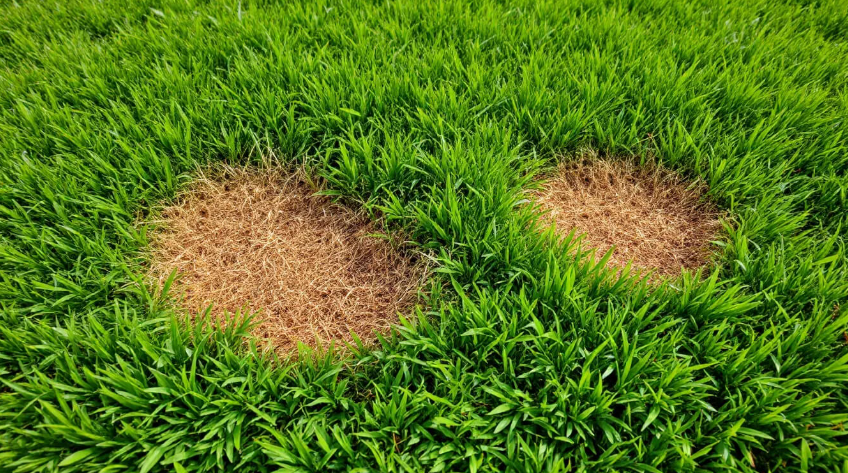
Bare spots don’t just look bad… they’re an open invite for weeds. Fix them early so healthy grass fills in first.
Here’s what to do:
- Rake the soil to loosen it
- Sprinkle matching grass seed
- Press the seed down so it touches the soil
- Keep it moist every day until it sprouts
Cover the area with straw or a seed mat to hold moisture and keep birds off.
Wait to mow until the new grass is at least 3 inches tall.
Match your grass type to keep things even. Warm-season and cool-season grasses don’t blend well.
Using the wrong seed can leave your lawn looking patchy and mismatched.
Not sure what type you have? Take a photo or sample to your local garden center. They’ll point you in the right direction.
If you’ve got a lot of bare spots or thin patches, this might be the perfect time to look into a professional overseeding and aeration service.
It gives your lawn a head start and helps new grass grow in stronger and faster.
Tip 7: Keep it going all year without overthinking it

You don’t need a perfect lawn. You just need to stay consistent. There are also Frederick lawn care providers who can help with this.
Do the basics every season, and your yard will keep getting better.
Here’s your seasonal cheat sheet:
Spring
- Clean up debris
- First mow
- Apply starter fertilizer
- Use pre-emergent weed control
Summer
- Mow weekly
- Water deep, not daily
- Watch for pests or brown spots
Fall
- Fertilize again
- Patch thin spots
- Rake leaves often
Winter
- Store tools indoors
- Drain hoses and mower tanks
Set a personal reminder to do a lawn check-in once a month.
Walk the yard for 30 minutes. Fix what needs attention. That’s it.
Bonus tips nobody tells you until it’s too late
- Dog pee causes brown spots. Water the spot right after, and they’ll fade faster.
- Dollar spot fungus looks scary but usually clears up with mowing and feeding.
- Take photos every couple of months. You’ll see progress you’d otherwise miss.
- Save your seed and fertilizer tags. You’ll forget what worked.
- Trim lawn edges once a month. Makes the whole yard look neater.
Start your lawn care right with tips from professionals
You don’t need hours every week. One or two is enough.
You don’t need fancy gear. A mower, trimmer, and hose get the job done.
You don’t need to do everything perfectly. Just keep showing up.
Not sure where to start? A trusted lawn care company can help you get on the right schedule and keep your yard looking its best all year long.