
Key takeaways
- Summer pruning slows growth, while winter pruning sets your plants up for a fresh spring start.
- Summer’s for light trims; winter’s for big cuts and reshaping.
- Cut too much in the wrong season? You risk stressing your plant or missing out on flowers and fruits next year.
Pruning isn’t just for keeping your plants tidy. It’s a way to help them grow stronger and healthier.
But here’s the thing — when you prune matters as much as how you prune.
Summer pruning and winter pruning have different purposes.
Understanding the difference can completely change how your plants grow. Here are the six key differences to keep in mind
Let’s talk about summer pruning vs winter pruning
1 — Timing matters more than you think
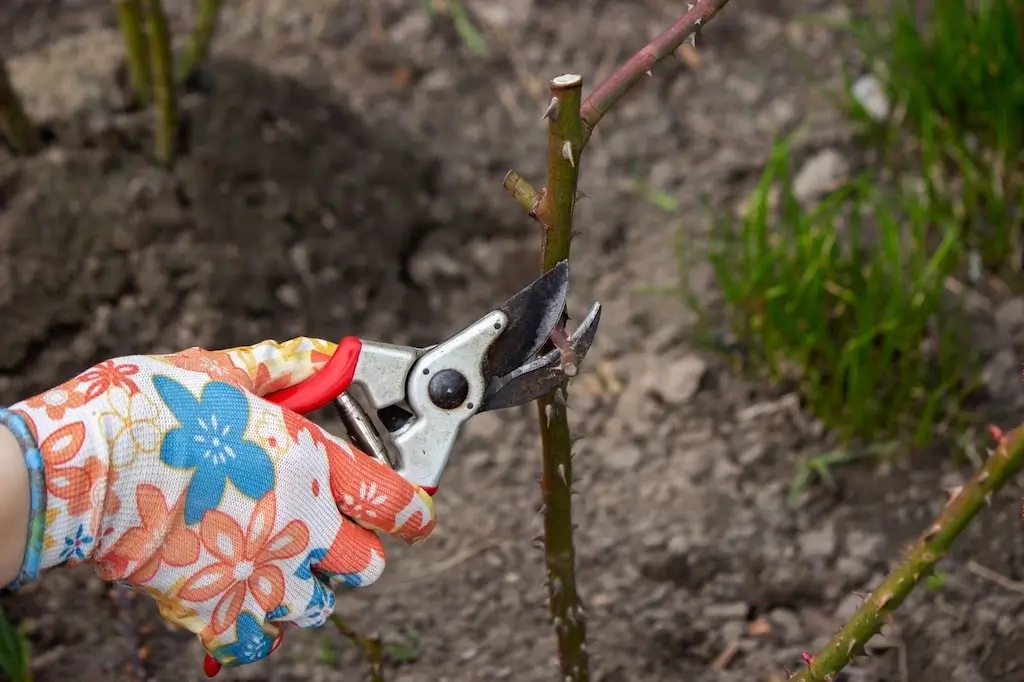
The season you prune makes a bigger difference than you might think.
Plants respond differently depending on when you cut them back.
In gardening, timing isn’t just important — it can make or break your pruning efforts.
Summer pruning focuses on slowing down growth
In summer, while your plants are busy growing, pruning does something interesting — it slows things down.
By removing leaves and trimming back branches, you’re cutting into the plant’s energy supply. Fewer leaves mean less photosynthesis. This results in less growth overall.
Take fruit trees like apples and pears, for example. Summer pruning helps keep these trees from turning into overgrown monsters.
It pushes the plant to focus its energy on building strength instead of sprouting more shoots.
The result? A stronger tree that’s easier to care for and grows better-quality fruit.
Winter pruning hits the reset button
Winter pruning works in the opposite way.
In the colder months, most plants go dormant. They’re basically hibernating to survive. Pruning during this downtime gives the plant a clean slate.
You can make bigger cuts without stressing it out because, well, it’s asleep.
Bare branches also make it easier to see the plant’s structure. You can spot dead wood and reshape things before spring growth takes off.
It’s the perfect time for major repairs or a complete makeover.
2 — Think of what happens below the surface
What happens above ground affects what’s going on below.
The timing of your pruning directly shapes how your plant uses its resources, like water and nutrients.
Summer pruning saves water and boosts growth
When it’s hot out, plants lose water through their leaves as it evaporates.
The fewer leaves they have, the less water they lose. That’s why summer pruning helps conserve moisture.
This is a big deal if you’re in a drought-prone area or dealing with a dry spell.
Pruning in summer also tells the plant to focus on strengthening its roots instead of growing more leaves.
It’s a smart way to keep your plants healthy, in shape, and stress-free.
Winter pruning strengthens future roots
While your plant may look like it’s doing nothing in winter, it’s busy behind the scenes — building stronger roots.
With no leaves or flowers to support, all of its stored energy goes underground.
When you prune in winter, you’re helping your plant focus even more on root development.
Stronger roots give your plants a better foundation for growth in spring. This leads to healthier, more vigorous shoots once the warmer months arrive.
3 — Get more fruits or prettier flowers

One of the main reasons gardeners prune is to improve fruit and flower production. But when you prune makes all the difference.
If you want larger fruits, try summer pruning
For fruit trees, summer pruning can lead to bigger, juicier produce.
When you thin out some branches, you reduce competition for sunlight and nutrients.
Your tree isn’t spread thin trying to feed dozens of branches, so it can focus its energy on fewer, higher-quality fruits.
Think of it like putting all your eggs in one basket — but in a good way.
For more flowers, stick to winter pruning
If you’re after show-stopping blooms, then winter pruning is where the magic happens.
Without the distraction of leaf growth, all the plant’s energy will be channeled into producing buds and flowers come spring.
Roses, berry bushes, and ornamental shrubs are prime candidates for a good winter cutback.
But before you go snipping away, know your plant’s blooming habits.
Some plants bloom on old wood (growth from the previous year), while others bloom on new wood (this year’s growth).
Prune old-wood bloomers right after they flower in summer.
New-wood bloomers can handle a winter trim without any issues.
4 — Brush up on seasonal pruning techniques

Now that we’ve covered when to prune, let’s talk about how.
The way you prune in summer isn’t the same as in winter. Getting it right will pay off.
Best practices for summer pruning
Summer pruning is about light touch-ups, not drastic cuts.
Focus on removing small shoots, suckers, and water sprouts (those annoying vertical shoots that grow too quickly) This’ll open up the canopy and improve airflow.
Make sure to use clean, sharp shears. Of course, don’t go too wild.
When you remove too many leaves, this can cause stress. You don’t want to leave your plant vulnerable to sunburn.
Pruning is like giving your plant a haircut, not shaving its head.
Best practices for winter pruning
Winter pruning is your time to go big.
Since the plant’s dormant, you can tackle dead or diseased wood, thin out overcrowded branches, and reshape things however you like.
Just aim for clean cuts right above outward-facing buds to guide new growth where you want it.
One thing to watch out for — dormant plants are more vulnerable to infections.
Keep your tools sterilized between cuts to stop any diseases from spreading.
Here’s a quick guide on how to protect trees in winter.
5 — Avoid common mistakes other gardeners make
Even experienced gardeners slip up sometimes.
Here are a few common mistakes to avoid when pruning, depending on the season.
Over-pruning during summer stunts growth
It’s tempting to go full Edward Scissorhands, but don’t overdo it in summer.
Removing too much foliage limits the plant’s ability to photosynthesise, weakening it in the process.
In fruit trees, this can lead to smaller yields. So. instead of plucking juicy apples, you might end up with underwhelming, sad-looking fruit.
Neglecting winter pruning leads to tangled messes
Skipping winter pruning is a recipe for trouble.
When plants grow wild through winter, you end up with dense, tangled branches.
That blocks airflow, cuts off sunlight, and makes summer pruning a real headache.
Worse, it ups the chances of disease creeping in.
6 — Remember that different plants have different needs
While the basic rules of summer and winter pruning apply across the board, certain plants prefer one season over the other.
Knowing these preferences can make a world of difference.
Deciduous trees love winter cuts
Deciduous trees like maples, oaks, and birches prefer to be pruned in winter.
Before sap starts flowing again in spring, you can safely shape them or remove unwanted limbs without worrying about “bleeding” sap.
It also sets your plant up with a solid structure for the next growing season.
Fruit-bearing plants need attention during summer
Fruit trees such as peaches, cherries, and plums love regular summer pruning.
Trimming them mid-season keeps them manageable and productive.
You’ll allow sunlight to reach the fruit and improve airflow.
Grapevines and raspberry bushes also appreciate a well-timed summer trim for the same reasons.
Evergreen shrubs prefer light trims all year round
Evergreen shrubs like boxwoods and hollies don’t fully go dormant, so you should avoid heavy pruning in any season.
Instead, go for gentle touch-ups throughout the year to maintain their shape and encourage healthy growth.
How to plan your pruning schedule
Watch for signs your plant is ready
Plants will often tell you when they’re ready for a trim.
Slower growth in summer usually means it’s a good time to prune.
In winter, wait until after the first frost to make sure the plant is fully dormant before reaching for your shears.
Keep records to track how they grow
Keep notes on when you prune and what happens afterwards.
Did you notice better blooms? Healthier fruit? This info helps you fine-tune your pruning schedule each year. Use your notes to figure out what works best for each specific plant in your garden.
Ready for your pruning game plan?
Summer and winter pruning each play a unique role in keeping your plants healthy and productive.
By understanding what your plants need and when they need it, you can enjoy a healthy, well-maintained garden all year.
And, of course, if it ever feels overwhelming, professional tree and shrub care is just a call away.