
Key takeaways
- Selective herbicides, pre-emergent treatments, and organic solutions are among the top methods professionals use to effectively eliminate weeds and maintain a healthy lawn.
- Common weed control mistakes, such as overusing herbicides, watering at the wrong time, and cutting grass too short, can make weed problems worse.
- Improving soil health, mowing at the right height, and maintaining consistent lawn care practices are important for creating a vibrant, weed-resistant lawn.
Many people struggle to keep their lawns weed-free despite their best efforts. It’s frustrating to invest time and money, only to see those pesky plants pop up again.
In this blog, we’ll talk about the ten methods used by professional lawn care companies to effectively kill weeds.
You’ll learn about proven techniques and products that work, whether you want to hire a pro or try them on your own.
But first, why are weeds so hard to get rid of?
Weeds are stubborn because they’re designed to survive. They grow fast, spread easily, and adapt to various conditions.
They don’t need much care and can outgrow grass if you let them, since they can grow in poor soil and withstand drought.
Quick fixes might seem like a solution — but they usually lead to frustration.
Spraying a weed killer might knock weeds down for a while. However, unless the root cause is addressed, they’ll be back.
Weeds have tough roots and grow in a way that makes it hard to get rid of them completely. And as you might know by know, you need a specific plan to tackle them.
10 proven solutions for a persistent weed problem
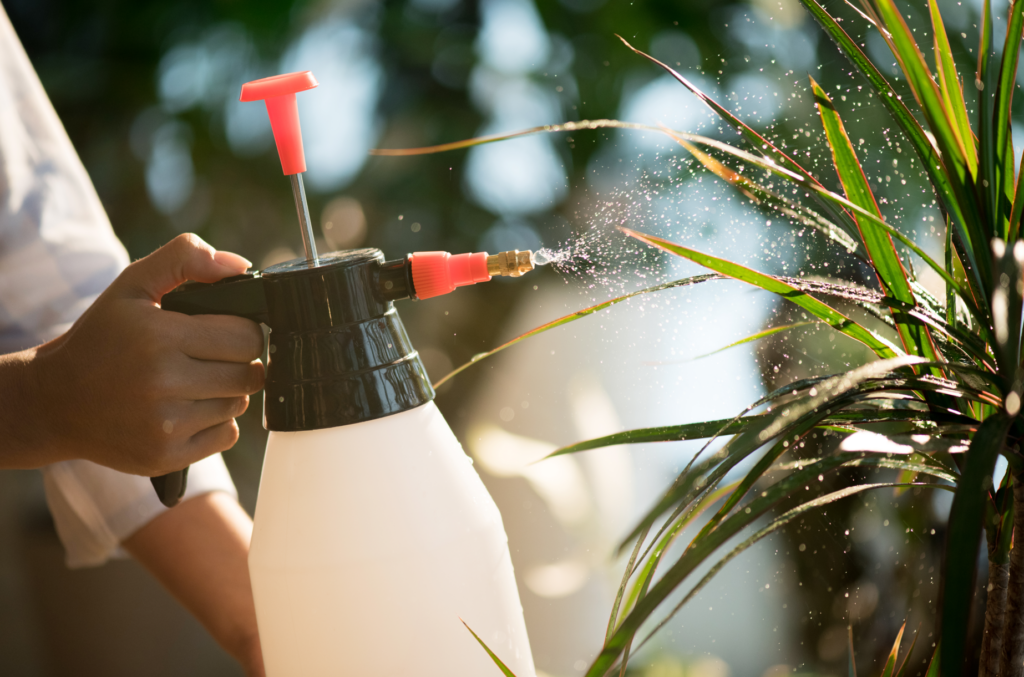
These are tried-and-true methods used by professionals. Each has been tested and proven to work in various conditions, whether dealing with a small patch of weeds or a widespread infestation.
Let’s talk about the different solutions professionals use and why these solutions are effective.
Solution #1 – Selective herbicides to target weeds, not grass
Selective herbicides work by targeting specific types of weeds without harming grass.
These herbicides contain chemicals that affect only certain plants, leaving lawns healthy and unharmed.
Professionals often use brands with active ingredients like 2,4-D or Dicamba. These chemicals are especially effective against broadleaf weeds like dandelions and clover.
Selective herbicides are great for spot treatments but should be used carefully to avoid damaging other plants.
When applied correctly, they can eliminate weeds without affecting the lawn.
However, overuse or improper application can lead to brown spots or even damage to the grass.
Solution #2 – Non-selective herbicides for a one-stop weed killer
Non-selective herbicides kill everything they touch, making them ideal for areas like driveways or sidewalks.
These powerful weed killers contain chemicals like glyphosate that destroy all plant life. This makes them perfect for areas where nothing is desired to grow.
However, non-selective herbicides should be used as a last resort.
They’re effective but unforgiving, meaning they can kill desirable plants if not applied carefully.
Products like glyphosate are popular among pros for their effectiveness, but they must be applied with caution to avoid harming desirable plants.
Non-selective herbicides are great for clearing out weeds in gravel pathways or cracks in concrete. But, it’s best to avoid them on lawns unless you’re planning to reseed the area.
Solution #3 – Pre-emergent herbicides to stop weeds before they grow
Pre-emergent herbicides work by preventing weed seeds from germinating in the first place.
These herbicides create a chemical barrier in the soil that stops seeds from sprouting.
Timing is important though. If applied too late, the seeds will have already germinated, rendering the treatment ineffective.
Weed control services in Frederick use pre-emergents seasonally to keep lawns weed-free, particularly in the spring and fall.
These are the times when most weeds start to grow. This means applying a pre-emergent herbicide can prevent a large portion of the weed problem before it even begins.
Solution #4 – Organic weed control to go green with weed removal
Organic solutions are preferred by some homeowners and companies for their environmental benefits.
They’re made from natural ingredients, so they’re safer for the environment, pets, and people.
Vinegar-based products and other natural herbicides can be effective alternatives to chemical options. However, these solutions often work more slowly and may require multiple applications.
While organic weed control might not be as fast-acting as chemical herbicides, it’s a good option for those who want to maintain a more eco-friendly lawn care routine.
Solution #5 – Mulch as a natural barrier against weeds
Mulching works by blocking sunlight from reaching weed seeds. Without light, weed seeds can’t germinate, which significantly reduces the number of weeds that can grow.
Professionals often recommend organic mulches like wood chips or straw for their effectiveness and added benefits.
Besides weed control, mulch also helps retain soil moisture and improve overall soil health.
It also adds a finished look to garden beds and can reduce the need for watering.
On top of that mulch breaks down over time, adding nutrients to the soil. This helps plants grow better and makes gardens more resilient.
Solution #6 – Hand-pulling weeds for manageable problems
Sometimes, the best way to remove weeds is by hand. This method is especially useful for smaller infestations or in garden beds where herbicides could harm other plants.
Hand-pulling is most effective when the soil is moist, which makes it easier to pull out the entire root.
It’s important to pull out the entire root to prevent the weed from growing back.
Weeds like dandelions can regenerate from even a small piece of root left in the ground, so thorough removal is key.
If you’re worried about using chemicals in your vegetable garden or around your delicate plants, pulling weeds by hand is a great option.
Solution #7 – Burning weeds away with flame weeding
Flame weeding uses high heat to kill weeds quickly and is particularly effective in areas like walkways or gravel paths.
The intense heat destroys the plant cells, causing the weeds to wilt and die within hours.
Professionals often use flame weeding in hard-to-reach areas where traditional weed killers aren’t practical.
While effective, it’s important to follow best practices to avoid accidents.
Always use flame weeding equipment with care. Avoid using it in dry or windy conditions to prevent accidental fires.
Flame weeding is especially useful for controlling weeds between pavers or in gravel driveways where other methods might struggle to reach the roots.
Solution #8 – Improving soil health to naturally reduce weed growth
Healthy soil is a lawn’s best defense against weeds.
When soil is rich in nutrients and well-structured, it supports healthy grass growth. This, in turn, crowds out weeds.
Improving soil quality through aeration, composting, and proper fertilization makes a lawn less inviting to weeds.
Aeration helps break up compacted soil, allowing air, water, and nutrients to reach the roots of grass.
Composting adds organic matter to the soil, improving its structure and fertility.
Lawn care companies often start with soil testing to determine the best approach.
A soil test can reveal deficiencies in nutrients like nitrogen, phosphorus, and potassium, which can be corrected with the right fertilizers.
Improving soil health isn’t a quick fix. Still, it’s one of the most effective long-term strategies for weed prevention.
Solution #9 – Using proper mowing techniques to prevent weeds
Cutting grass too short makes it easier for weeds to take hold because it weakens the grass and exposes the soil. This gives weed seeds a place to settle.
Professionals recommend mowing at the right height to give grass the upper hand.
For most lawns, this means keeping the grass about 3 inches tall.
Taller grass shades the soil, which helps prevent weed seeds from germinating.
Regular mowing also helps keep weeds from flowering and spreading seeds. This then reduces the overall weed population in the lawn.
Solution #10 – Overseeding to crowd out weeds
Overseeding involves spreading new grass seed over an existing lawn to thicken it up.
A dense lawn leaves less room for weeds to grow. Why? Because the grass competes with weeds for sunlight, water, and nutrients.
Fall is ideal for overseeding because the cooler temperatures and increased rainfall help the new grass establish itself before the winter.
On top of warding off weeds, overseeding also helps repair bare spots in a lawn.
By filling in these gaps with new grass, a thicker, healthier lawn is created that resists weeds more effectively.
Avoiding common mistakes when trying to kill weeds
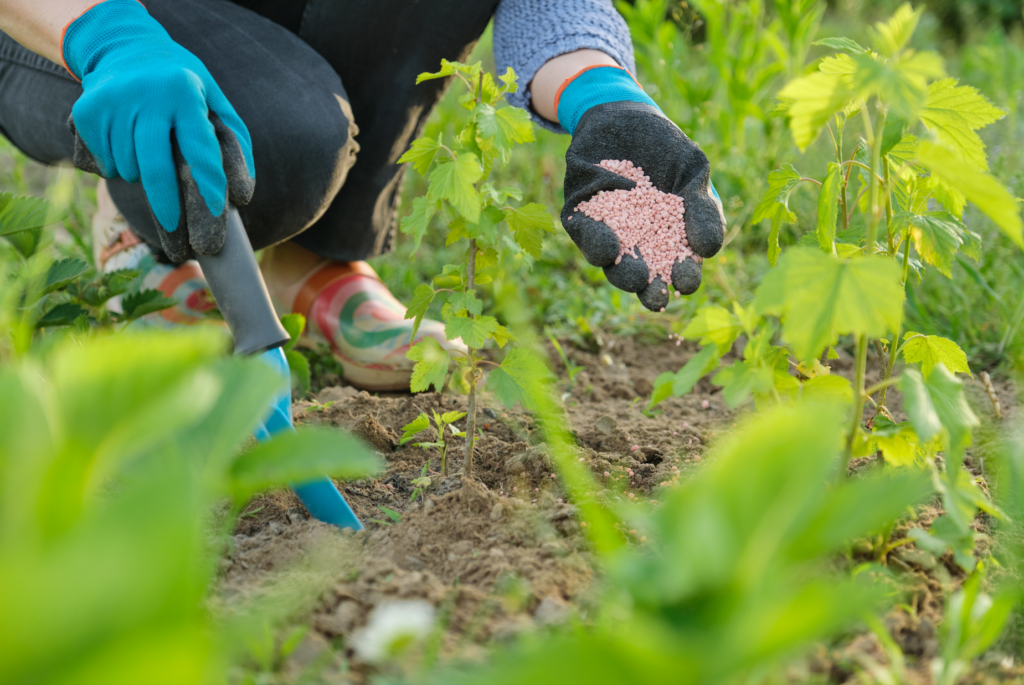
Many common weed control mistakes can make the problem worse.
Here are some of the most frequent errors:
- Overusing herbicides – applying too much can damage the lawn, creating bare spots where weeds can take hold
- Watering at the wrong time – Watering in the evening can create conditions that promote weed growth by allowing moisture to sit on the grass overnight.
- Cutting grass too short (“scalping”) – this weakens the grass, making it easier for weeds to establish themselves.
- Ignoring soil health – pPoor soil conditions make it difficult for grass to compete with weeds, leading to more weed problems.
No more weeds, just a healthy, colorful garden
Whether it’s applying selective herbicides with precision, timing pre-emergent treatments just right, or improving soil health, each method above can help you maintain a healthy lawn.
Remember, a vibrant, lush lawn isn’t just about aesthetics. Your focus should be one creating an environment where grass grows and weeds struggle to survive.
Be consistent and stay on top of things, and you’ll see a big difference.