
Key takeaways
- The best time to trim shrubs depends on what kind you’ve got: spring bloomers get snipped after flowering, summer bloomers, and evergreens before new growth in late winter.
- Cutting too early or too late can mess up blooms, stress the plant, or trigger frost damage.
- When is the best time to trim shrubs? Use a simple calendar trick. Prune right after flowers drop or just before dormancy ends, never during heat waves or hard freezes.
Shrubs are low-maintenance, but timing matters.
Trim too early, and frost can wreck the new growth. Trim too late, and you’ll lose next year’s flowers.
More than knowing how to shape them, you should understand what keeps them healthy, too.
There are lawn care services that can help with this.
But you can also handle most of it yourself with a little guidance.
Remember, every shrub is different.
Some flowers on old wood. Others, on new. Seasons play a big part, too.
The good thing is, you don’t need to guess.
Here’s when to trim based on the season and the type of shrub in your yard.
If your shrub blooms in spring, trim after it flowers
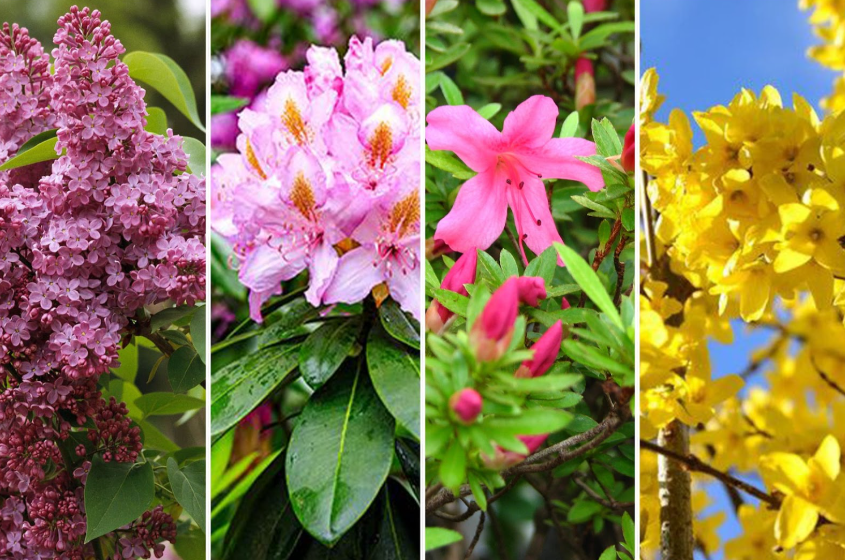
Image sources: Wegmansnursery, BHG, Wikimedia, Pinterest
This includes lilac, azalea, rhododendron and forsythia.
These shrubs bloom on old wood, which means the buds form the year before.
Trim them just after the flowers fade, usually late spring to early summer.
If you wait until winter, you’ll accidentally cut off next year’s blooms before they even get started.
If your shrub blooms in summer, trim in late winter or early spring

Image sources: The Spruce, Mulhalls, Planthouse
Think butterfly bush, camellia, rose of sharon, and panicle hydrangea.
You’ll want to trim these between late February and early April. Timing might shift a bit depending on your climate.
Pruning before they start growing helps them push out fresh, healthy stems that are ready to bloom like crazy.
If your shrub is evergreen, trim in late winter to early spring
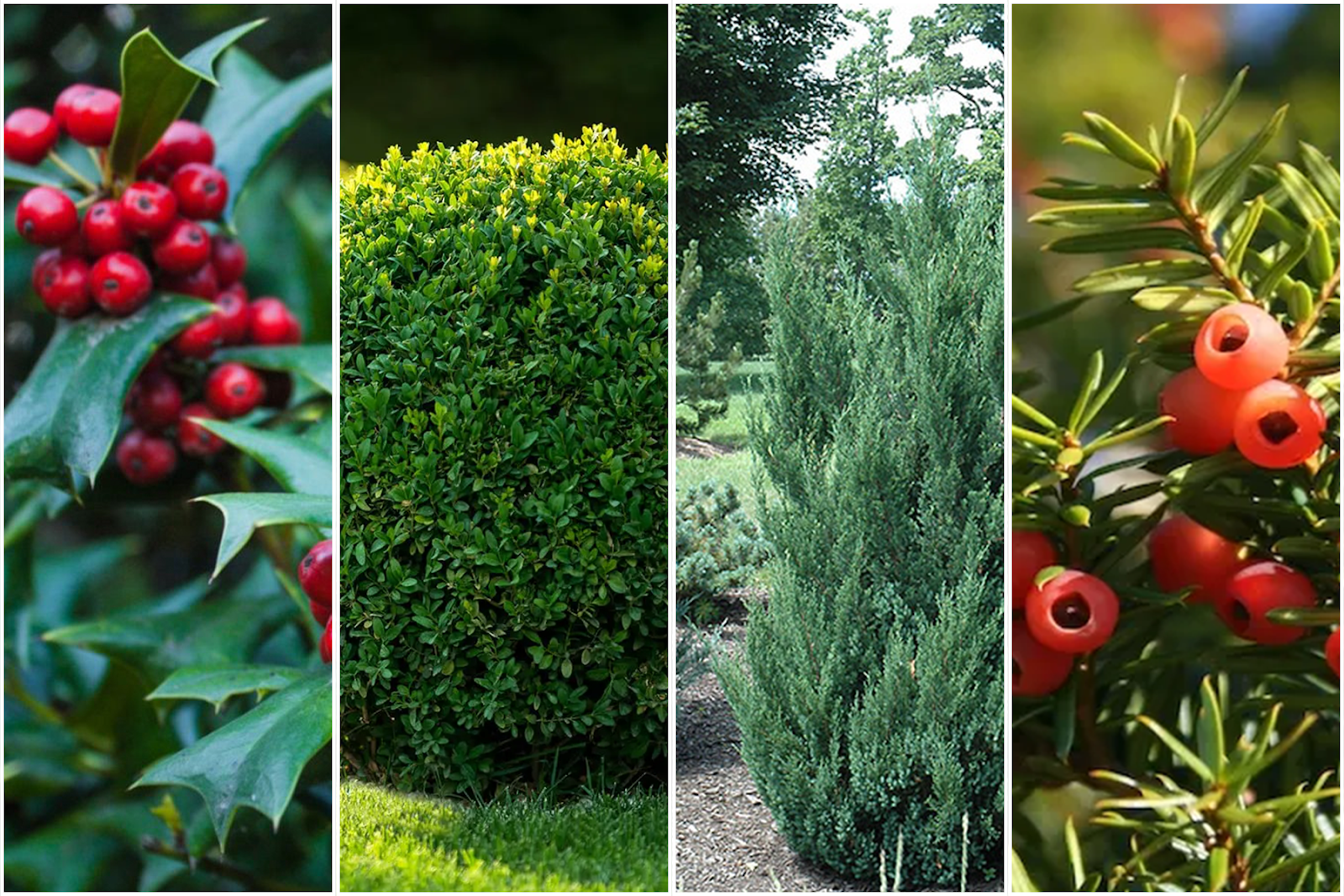
Image sources: Buchanansplants, Iscapait, Gardeningknowhow, The Tree Center
Holly, boxwood, juniper and yew are common evergreen shrubs.
The best time to trim is before any new growth shows up. Late winter is usually your sweet spot.
Try to avoid pruning in summer or fall, since heat waves or an early frost can really stress them out.
If your shrub doesn’t flower, trim late winter or late summer

Image sources: The Spruce, Gardenia, Gardenersworld
If you’re growing shrubs mainly for their shape or foliage (like barberry, podocarpus, privet, or burning bush) you’ve got a bit more wiggle room.
You can trim them in late February to early March… and again in August if they need a touch-up.
Just steer clear of fall pruning. Any new growth won’t have enough time to toughen up before the cold hits.
If your shrub has berries, trim after they drop

Image sources: The Spruce, Pixabay
This group includes viburnum, winterberry, elderberry, and beautyberry.
Wait until late winter or very early spring to trim. Basically, wait until after the berries have dropped or the birds have had their feast.
Cutting too early takes away their winter charm and robs the birds of a snack.
Trimming by season: what to do and what to avoid
Again, timing is everything when it comes to pruning.
Trim too early, and you might lose flowers for the year. Too late, and you risk damaging the plant or inviting stress during extreme weather.
Each season offers its own window of opportunity… and a few red flags to watch out for.
Whether you’re shaping for structure, encouraging blooms, or just keeping things neat, this guide breaks down the best (and worst) times to grab the clippers.
If you’re unsure about the right timing or technique, a local lawn care company can help you figure it out.
But if you’re up for a little DIY, use this as your go-to calendar to keep your shrubs looking and feeling their best all year long.
Late winter (February to early March)
✔ Trim summer bloomers
✔ Trim evergreens
✔ Trim non-flowering shrubs
✘ Don’t touch spring bloomers yet
Spring (March to May)
✔ Trim spring bloomers after flowers fade
✔ Light shape-ups if needed
✘ Avoid heavy cuts during active growth
Summer (June to August)
✔ Do second trims for shape, only if needed
✘ Don’t cut too hard in extreme heat
Fall (September to November)
✘ Skip trimming
✘ New growth may not survive the cold
Winter (December to January)
✘ Too risky for frost damage
Trim smart to keep your plants happy
Once you know when to prune, the next step is making sure you’re doing it the right way.
It doesn’t take much to keep your plants in great shape.
A few good habits can go a long way toward keeping them healthy and looking their best.
Here’s what to keep in mind:
- Use clean, sharp tools.
- Don’t cut during or right before a freeze.
- Skip trimming if your shrub looks stressed (drought, common lawn pests, etc.).
- Don’t remove more than one-third of the plant at once.
If you’re in a warmer zone (like USDA 8–10), you can usually trim a bit earlier.
In colder areas, like zones 4–6, wait until the risk of hard frost has passed.
When in doubt, hold off and check the buds.
If they’re starting to swell, it’s almost time.
Let me know if you want this by zone or for a specific plant in your yard.
And if you’d rather leave it to professionals, tree and shrub care services can help with timing, technique, and even plant ID.
When is the best time to trim shrubs? Here’s a simple rule
If you’re not sure what kind of shrub you have, find out first.
Use a plant ID app or ask someone who knows. Don’t guess.
Next, figure out when it blooms.
That’s the key to timing your cuts.
Still confused?
Wait until it’s done flowering. That’s usually your safest move.
Or watch a pro do it once.
You’ll learn faster than reading 20 articles.
One last thing: stop trimming just because it “looks messy.”
That’s how good shrubs turn into bare sticks.
Trim less. Trim smarter. That’s the real secret.
If you’re not sure, contact a local lawn care company. They can help you identify the plant, figure out the best timing, and even take care of the trimming for you.
