
Key takeaways
- Start lawn care only after the ground is thawed and temperatures are consistently above 40°F.
- Avoid working on wet or muddy lawns to prevent soil compaction and damage.
- Adjust your lawn care schedule based on your local climate and specific grass type for the best results.
As the seasons shift, you might wonder if it’s time to start the annual lawn care routine.
You could be looking forward to getting a lot of lawn work done. On the flip side, you might dread the thought altogether.
Either way, timing is everything when it comes to proper lawn care.
Start too early, and you risk wasting your efforts. If you start too late, then you have to do more work than what is needed.
This blog is here to walk you through the “when” of lawn care, helping you hit that sweet spot where your efforts will pay off.
Learn how different climates might tweak your schedule. Knowing when you should start lawn care takes a lot of effort, but with the right approach, it can be made easy.
When should you start lawn care? 5 tips to time it right
Lawn care isn’t a one-and-done task. It’s a year-round commitment without any shortcuts.
To get the best results, you need a plan—fertilizing at the right time and controlling weeds when they’re most vulnerable.
A well-thought-out schedule helps you keep up with the different tasks that need to be done throughout the year.
Year-long lawn maintenance can be a very demanding responsibility. Y
Thankfully, you can always hire professional lawn care services to handle it for you.
Keep in mind though that lawn care will vary depending on your climate and the type of grass you have.
So, it’s important to adjust your approach based on your specific situation.
Tip #1 — wait until the grass and soil are completely thawed
Digging into frozen ground is more trouble than it’s worth. It will be a pain to deal with, and it’s not good for your lawn.
Starting your lawn care routine too early, while the ground is still frozen, can do more harm than good.
When the soil is hard and cold, the roots of your grass are dormant and fragile. Any heavy equipment or even just people stepping on it can damage them, stunting their growth for the rest of the season.
You’ll also need to consider frost heaving. This happens when the soil repeatedly freezes and thaws, causing it to expand and contract.
Frost heaving can uproot young grass, disturb newly planted seeds, or create a bumpy, uneven lawn surface.
So, how do you know when it’s safe to start?
Here’s a quick test: grab a garden fork and gently press it into the ground.
If you feel resistance or if the fork can’t go in easily, it’s still too early. Wait a little longer until the soil is softer.
Tip #2 — look for consistent temperatures above 40˚ F
Consistent temperatures above 40˚ F are important for many lawn care activities.
At this temperature, the soil begins to warm up enough to support root growth. Starting too early can lead to a lot of wasted time and energy.
Many important lawn care tasks, like seeding and fertilizing, depend on warm soil to be effective.
Grass seeds need warmth to germinate, and fertilizers are most effective when the grass is actively growing.
Keep an eye on your local weather forecasts for a consistent stretch of temperatures above 40˚ F. You can also use a soil thermometer to get an accurate reading of your soil’s temperature.
Don’t rush things. Waiting for the right time to take care of your lawn will pay off in the long run.
Tip #3 — avoid standing water and mud
Excess water or mud can turn lawn care into a slippery, messy challenge. Working on a wet lawn also makes tasks unnecessarily more difficult.
When soil is compacted, it loses its structure and ability to hold air and water properly. This makes it tough for grassroots to grow and thrive.
If you try to mow, fertilize, or even walk on a lawn that’s too wet, you risk damaging the soil structure.
Compacted soil creates an unhealthy environment where grass struggles to establish deep roots and absorb nutrients.
Over time, this can lead to thin, weak turf and more weeds, which is the last thing any homeowner wants.
To avoid these issues, it’s best to wait until your lawn has had a few dry days in a row. This allows the soil to firm up, making it safer to work on without causing damage. If you want to move the process along, lawn aeration can help support grass and plant growth.

Tip #4 — start when the grass is actively growing
When you notice your lawn starting to green up and grow taller, it’s a sure sign that it’s ready for some attention.
That means it’s ready to wake up from its winter nap and start growing strong.
Remember though: different types of grass have different growth patterns. This means it’s important to recognize what active growth looks like for your specific lawn.
For cool-season grasses, like fescue or Kentucky bluegrass, active growth typically starts in early spring when temperatures begin to warm up. You’ll see new green shoots emerging, and your lawn will start to look fuller and thicker.
On the other hand, warm-season grasses, such as Bermuda or Zoysia, usually begin their active growth a bit later when the weather is consistently warmer.
Look for bright green blades, new shoots popping up, and an overall increase in thickness.
These signs mean your lawn is ready for mowing, fertilizing, and other lawn care tasks that will help keep it lush and healthy throughout the season.
Tip #5 — adjust for different climates and conditions
Knowing when to start lawn care isn’t a “one-size-fits-all” situation.
Your lawn care routine will depend on where you live. Different climates have different needs, so what works for one place might not work for another.”
In cooler climates, such as those in the northern United States, the ground can stay frozen well into the spring.
This means lawn care activities often start later in the season, sometimes as late as April or May. You’d need to wait until the soil has completely thawed and temperatures are consistently above 40˚ F.
On the other hand, if you live in the South which has a warmer climate, lawn care can start much earlier.
In some states like Virginia for example, you can start working on your lawn even in the late winter.
These regions typically experience milder winters and earlier springs, which means the grass comes out of dormancy sooner, and the soil warms up faster.
In dry climates, it’s important to time your watering and fertilizing correctly. Limited rainfall and low humidity can make it tough for lawns to grow healthy.Regional factors like rainfall, humidity, and even elevation can all play a role in determining the best time to begin lawn care.
To get the most accurate advice for your area, it’s a good idea to consult local experts. Gardening centers, cooperative extensions, and local lawn care professionals in Frederick can provide tips specific to your climate and conditions.
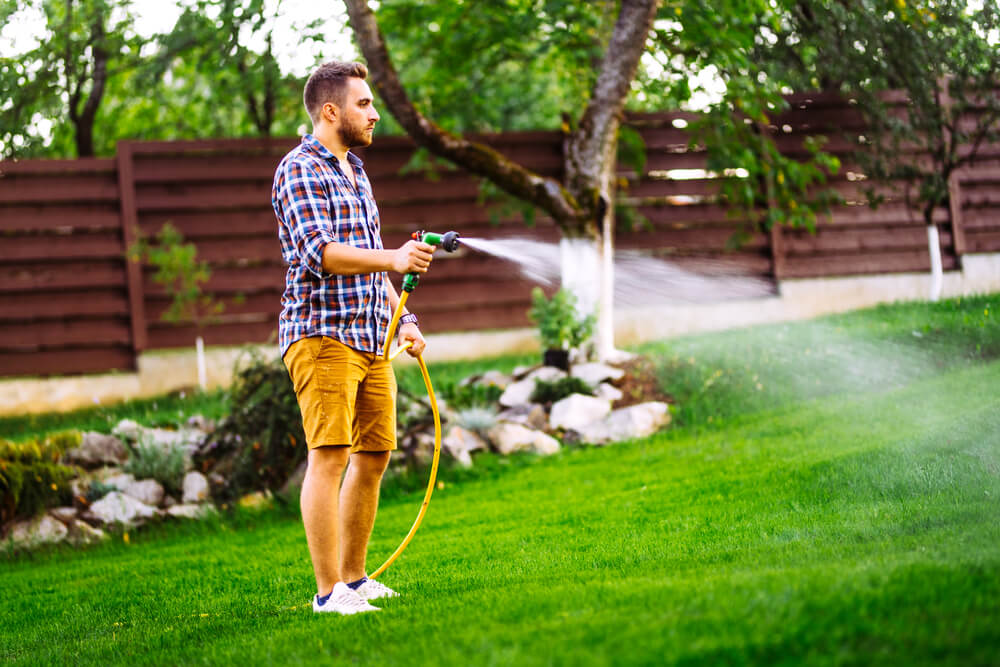
The ultimate tip — listen to your lawn
Timing is key when it comes to lawn care, so it’s important to trust the signals your lawn and local climate are giving you.
Every lawn has its quirks. By paying attention to the signs and understanding the factors at play, you can set your lawn up for success all year long.
Rather than rushing into tasks, be patient and attentive to your lawn’s needs.
And when in doubt, don’t hesitate to call professional lawn care services.
Good lawn care isn’t about following a strict calendar. You’ll need to respond to what your lawn is telling you.
Take your time, observe, and with a little patience, you’ll see that just like a healthy lawn, good lawn care takes time and care to get right.
Your efforts will pay off with a lush, green yard that you can enjoy all season long.
