
Key takeaways
- Tree pruning keeps trees healthier by removing dead or weak branches, letting the tree focus its energy on strong growth.
- Pruning prevents safety risks like falling branches and stops trees from growing into power lines or blocking spaces they shouldn’t.
- When you skip pruning, it can lead to sickly trees, property damage, and expensive fixes later.
When you skip pruning, it can lead to sickly trees, property damage, and expensive fixes later.
Trees aren’t just there to look pretty. They’re alive, and they need attention to stay healthy. If you ignore them, they can get sick, grow out of control, or even become a hazard. Pruning can helping them stay strong, live longer, and not cause problems later.
Tree pruning keeps trees healthier by removing dead or weak branches, letting the tree focus its energy on strong growth.
Pruning prevents safety risks like falling branches and stops trees from growing into power lines or blocking spaces they shouldn’t.
Here are six simple reasons why pruning matters.
Why is tree pruning important?
#1 — Healthy trees need regular attention
Taking care of trees isn’t so different from anything else you want to grow.
If you let dead or dying branches stick around, they steal nutrients that the tree needs.
This makes the whole tree weaker and slows its growth. When you cut those branches off, the tree can focus on what’s working.
It’s also important to clear out branches so that air moves through better.
Perfect for keeping rot and fungi away.
It’s the same when you clean out the junk drawer — everything works smoother without clutter.
Take a young fruit tree, for example. If you let every branch go wild, you’ll end up with a tangled mess of weak limbs fighting for sunlight.
Prune it regularly, and you’ll shape a sturdy tree that produces better fruit and looks great, too.
#2 — Pests and diseases love neglected trees

Dead or damaged branches are like flashing neon signs for pests and pathogens.
Insects love decaying wood, and diseases spread rapidly through weak areas. Once the problem starts, it doesn’t just stop at one branch. It can infect the whole tree — or worse, jump to others nearby.
Routine pruning removes these trouble spots before they become full-blown infestations. Pests and diseases will have fewer places to hide.
If you notice a branch with unusual leaf discoloration or holes chewed out by bugs, pruning cuts off the affected area and stops the spread.
The cost of ignoring this? Picture calling in a pest control team or needing to remove the entire tree because of widespread infection.
Spoiler: it’s not cheap. Preventive pruning is always easier (and lighter on your wallet) than damage control.
#3 — Stops storm damage before it happens
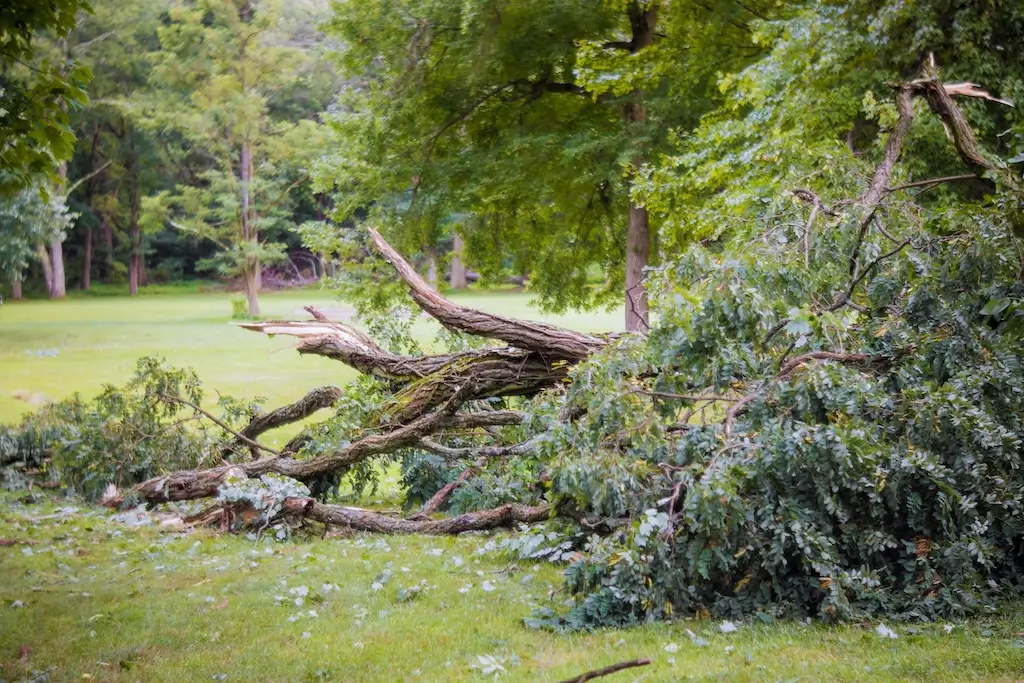
Ever seen a branch snap under the weight of snow or crash into someone’s roof during a windstorm?
Overgrown trees may seem harmless, but they turn into hazards when the weather gets rough.
Those big, beautiful limbs? Without proper care, they can come crashing down onto cars, fences, power lines — or people.
Pruning helps prevent accidents by getting rid of weak, overhanging, or poorly attached branches.
It also keeps the tree balanced, reducing the risk of it toppling entirely during storms.
For homeowners, this means fewer emergency expenses and less stress when bad weather rolls in.
Here’s a practical example: picture a tree near your driveway.
One large branch leans directly over where you park.
On a calm day, it’s fine — but during a heavy snowstorm, that same branch could snap and crush your car.
Regular pruning eliminates risks like this before they become costly disasters.
#4 — Shapes young trees for strength
When done early, strategic trimming can help the tree develop a sturdy, well-balanced structure.
This reduces the chance of future problems like weak crotches (where two branches meet) or awkward, lopsided growth.
For young trees, pruning is critical.
It encourages them to grow upright and evenly, distributing their weight properly.
Imagine trying to build a house on a shaky foundation — that’s what happens to trees that aren’t pruned when young.
They’re more likely to split, fall, or struggle later in life.
Think of holiday decorating season.
A well-pruned tree has evenly spaced, strong branches that can handle lights and ornaments without bending or breaking. An unpruned tree? Not so much.
#5 — Makes your property look better
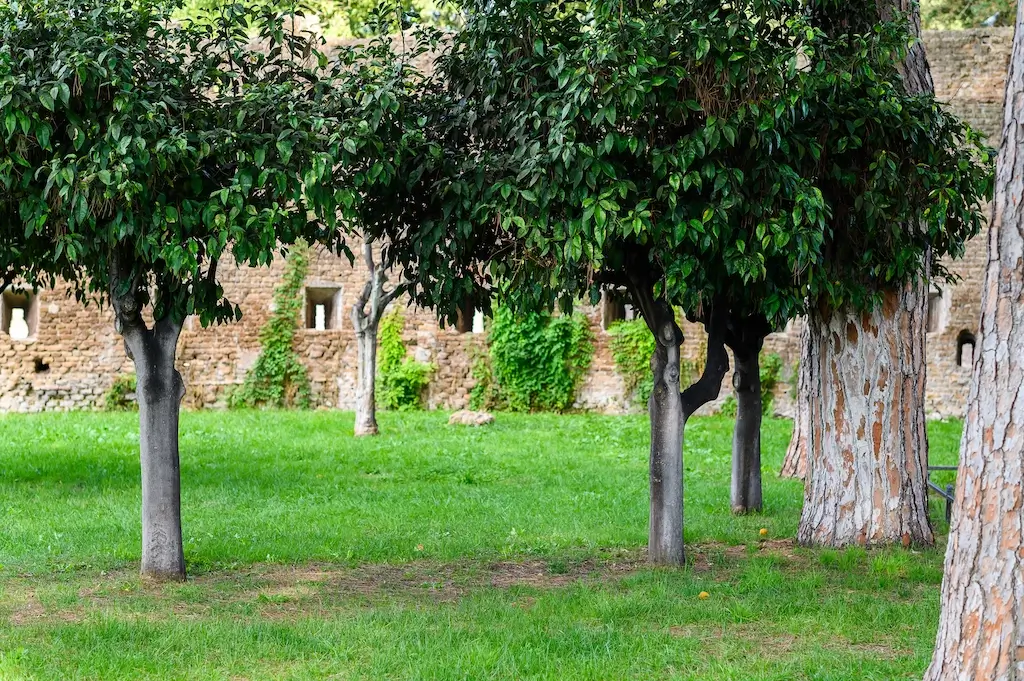
Nobody likes a scraggly, overgrown yard. A messy tree drags down the overall appearance of your space.
On the flip side, a well-pruned tree adds instant polish. It’s like the difference between a shaggy haircut and a fresh trim — you notice.
But pruning does more than make your yard look tidy. When you thin out dense foliage, it lets sunlight reach your lawn, garden beds, or other plants below.
This boosts their health and makes everything look brighter. Got a shady spot where grass won’t grow? Pruning might help fix that.
And if you’re planning to sell your home, landscaping matters.
Neatly maintained trees can increase curb appeal and even add to your home’s value.
People want to buy homes with attractive yards — not ones with overgrown, jungle-like chaos.
#6 — Keeps trees out of trouble
Overgrown branches can cause serious problems.
Think about branches blocking sidewalks or driveways, growing into power lines, or hanging precariously over a neighbour’s fence.
Regular pruning keeps your trees in check.
It prevents branches from encroaching on spaces they shouldn’t and saves you from fines, disputes, or liability issues.
For instance, if a branch falls onto a neighbor’s shed, you could be responsible for damages.
Another common issue? Overgrowth interfering with utility lines.
Pruning helps avoid outages or dangerous sparks caused by branches brushing against wires.
Plus, most cities will fine you if your trees aren’t kept clear of public spaces like roads or footpaths.
Prune smart and keep your trees healthy
Tree pruning is about more than looks. It helps trees grow stronger, prevents pests, and reduces the risk of falling branches during storms.
A well-pruned tree can also add value to your property.
Start by removing dead, damaged, or crossing branches. Use sharp tools to make clean cuts, and avoid taking off more than 25 percent of the canopy at once.
Over-pruning can weaken a tree and make it more vulnerable to disease.
If the job is small, grab your gloves, loppers, and a saw. Take care of the lower, easy-to-reach branches.
But if it involves heights, heavy limbs, or power lines, call a certified arborist. Safety should always come first.
Poor pruning can cause lasting damage, while proper care keeps your trees healthy for years. Take your time, use the right tools, and know when to call a professional.
