
Key takeaways
- You can spot most tree diseases fast just by checking leaves and bark. No tools or training needed.
- Sick leaves often show early signs like weird spots, yellowing in summer, curled edges, or bugs underneath.
- Peeling bark, branch dieback, or mushrooms on the trunk usually mean bigger problems inside the tree.
Trees won’t exactly send you a warning text when something’s wrong. But they do leave clues.
Most of the time, it just comes down to knowing what to look for and where to look for it.
Tree diseases often start small. For example, a strange patch on a leaf, a slight lean in the trunk, or a cluster of mushrooms that wasn’t there last week.
Catching these early signs can save you from bigger (and more expensive) problems later on.
Here are two simple checks you can do to spot trouble before it gets worse.
How to identify tree diseases with two simple checks
Visual check #1 — leaves that look sick
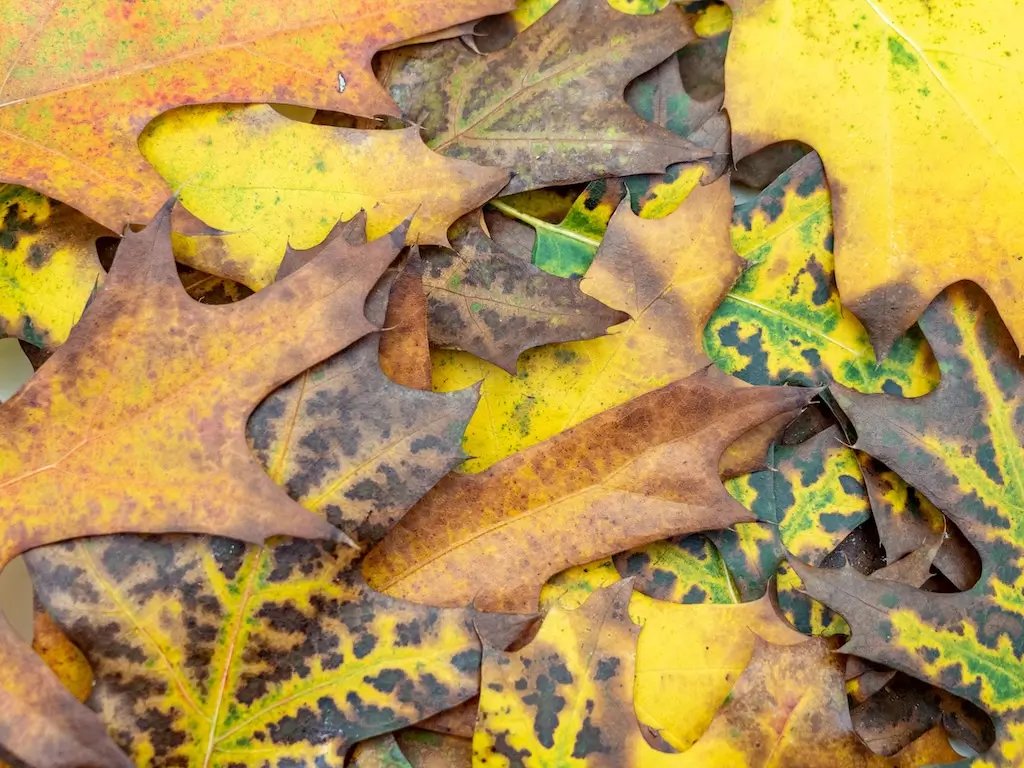
Leaves often show early signs like weird spots, yellowing in summer, curled edges, or bugs underneath.
You don’t need to grab a shovel. You can get clues about root trouble just by looking at what’s above the ground.
Start with how the tree is standing.
Is it leaning more than usual? That could mean the roots are losing their grip.
Wet soil and disease can weaken the base. If the ground around the trunk looks cracked or raised, that’s another red flag. It means the roots might be shifting.
Look for mushrooms growing around the base. They’re not decorations. Fungi on the roots often show up as clusters of small brown, yellow, or white mushrooms near the trunk. These usually signal rot underground.
Also, check for soft, sunken areas in the soil. Poke around with your shoe. If it feels squishy or sinks, something’s wrong below.
Keep an eye out for exposed roots, too. Roots popping above ground could mean erosion, or the roots are dying and pushing out of place.
Regular tree trimming helps prevent these issues before they start.
Removing weak or overcrowded branches takes weight off the roots and helps the tree grow stronger and healthier.
If you see any of this, don’t wait it out. Root issues won’t fix themselves.
Visual check #2 — bark that just looks off

Leaves might get all the attention. But bark tells its own story, especially when something’s wrong.
Think of bark like the tree’s first line of defense.
It protects everything inside, which includes water, nutrients, and life itself.
So when the bark starts to look off, it usually means trouble deeper in.
Start with the obvious stuff. Look for cracks, peeling, or missing chunks of bark.
Healthy bark stays firm and tight. If it’s falling off in big pieces or feels dry and brittle, that’s not normal.
Dark stains or sticky sap are other warning signs.
Sap is like the tree’s band-aid. But if it’s leaking for no clear reason or staining the bark, that could mean disease or rot underneath.
And don’t ignore tiny holes or sawdust around the trunk. That’s often a clue that bugs have gotten in.
Insects like borers usually show up when a tree is already weak or stressed.
If you spot any of these signs early, sometimes a little care is all it takes to help the tree bounce back.
Pruning away dead or damaged branches can stop problems from spreading.
It also helps the tree focus its energy on healthy growth instead of struggling parts.
And if your area gets cold winters, it’s worth giving your trees a little extra care before the cold sets in.
Harsh weather can be tough on bark, roots, and branches. Adding mulch around the base, without piling it against the trunk, helps insulate the roots and lock in moisture when the ground freezes.
Protecting your trees before winter can also prevent heavy snow or ice from snapping weak branches.
Know which trees get sick the fastest
Some trees have better immune systems than others. Some don’t stand a chance when disease shows up.
Here’s a quick list of common trees and what they’re prone to:
- Maple – often gets verticillium wilt. Watch for wilting leaves and dead branches high up
- Oak – prone to oak wilt. Spreads fast through root systems
- Dogwood – frequently attacked by anthracnose. Look for blotchy leaf spots and twig dieback
- Elm – dutch elm disease is still wiping them out. Yellowing starts from the top dow.
- Pine – usceptible to bark beetles. Look for little holes in the bark and sawdust piles
If you know what kind of tree you’ve got, look up its most common diseases. That way, you’ll know exactly what symptoms to expect (and catch them faster).
Don’t assume all trees react the same way. They don’t.
What not to mistake for disease
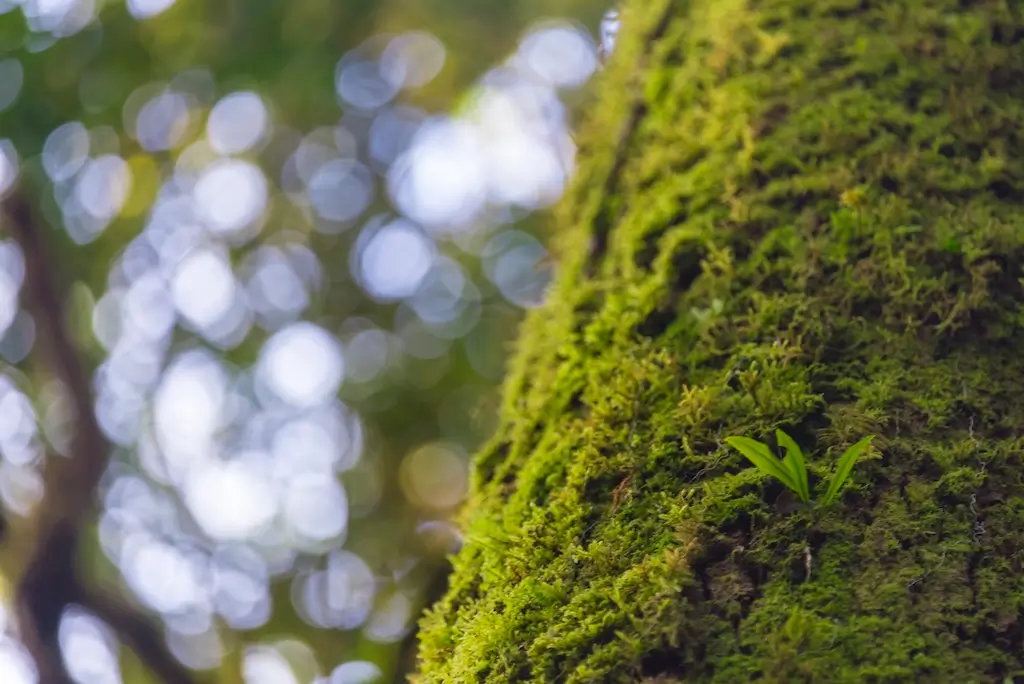
Not everything weird on a tree means it’s dying.
Sometimes, people panic over things that are actually normal. Here’s what not to worry about:
- Lichen – those greenish-grey patches on bark? Totally harmless. They’re not fungi or mold
- Moss – unless it’s smothering branches, it won’t hurt your tree
- Bark cracks – trees expand and contract with temperature shifts. Small splits happen and usually heal
- Leaf drops – obvious, but worth saying. Trees are supposed to lose leaves in autumn. Just make sure the timing matches the season
Before jumping to conclusions, check if what you’re seeing lines up with the time of year and species.
Also, if your tree has always had a weird growth pattern or a few twisted limbs, that doesn’t mean it’s diseased. Some trees just grow a certain way. That’s not a health issue.
Why early detection saves money
Catch problems early on to save you money in the long run.
A bottle of neem oil or a pruning session during the right season costs next to nothing. Waiting until half the tree dies? Now you’re talking hundreds or thousands for removal or treatment.
Early signs like leaf spots, curled tips, or peeling bark can usually be fixed with simple actions. But once a disease spreads into the core, you’re out of options.
In some cities, neglected trees can even get you fined if they fall or spread pests. Not worth the risk.
Plus, healthy trees raise property value. Sick ones do the opposite. No one wants to buy a house with a giant dead branch hanging over the roof.
Monitoring your tree health is a proactive approach to keep it free from pests, diseases, and environmental stressors.
Skip these common mistakes when diagnosing your tree
People mess this up all the time. Don’t be one of them.
- Watering more when leaves turn yellow
This sounds helpful, but it usually makes it worse. Yellowing leaves often means too much water, not too little. Always check soil moisture first. - Ignoring one dead branch because “the rest looks fine”
By the time you notice one limb dying, the problem may already be inside the tree. One dead branch isn’t nothing. - Spraying random chemicals without knowing the cause
Pesticides won’t fix fungus. Fungicides won’t stop bugs. If you spray the wrong thing, you waste time and possibly hurt the tree more. - Assuming new leaves mean a healthy tree
A sick tree can still push out leaves while dying inside. Don’t let fresh growth fool you. Keep checking the bark and branches too. - Cutting without cleaning your tools
Dirty shears spread disease fast. Every cut should be made with clean blades. Wipe with rubbing alcohol before and after each use.
Curious about the risks that come with tree trimming? Reach out to your local lawn care company and ask away.
Learning to avoid these five will help you treat trees properly and avoid making things worse.
How to track tree health over time

If you want to stay ahead of tree problems, keep a record.
It doesn’t need to be fancy. Just snap photos every month from the same angle. Make a note of anything odd, like leaf color changes, mushroom growth, new bark cracks, etc.
Use free phone apps or even just a notebook. Include weather notes too. Extreme heat or rain can trigger stress responses in trees.
Over time, this gives you a solid baseline. When you see something change, you’ll know if it’s serious or just part of a seasonal cycle.
Also, if you end up needing a pro, having records helps them diagnose quicker. Saves time. Saves money.
When to call an arborist instead of guessing
There’s a point where DIY stops working. Here’s when to bring in help:
- Large mushrooms are growing out of the trunk
- Bark is falling off in big chunks
- Half the canopy is bare during peak season
- Branches are dropping suddenly for no reason
- The tree is tilting more each week
- Cracks run deep through the trunk
These aren’t minor issues. They point to internal failure, dangerous weakness, or advanced disease. Some of these could take down the whole tree or crash through your car.
Certified arborists can test inside the wood and roots. They also know local pest outbreaks and how to treat them. Don’t risk it just to save a few bucks.
What to do next if you care about your tree
Tree care doesn’t need to be complicated. But ignoring signs does come back to bite you.
Two visual checks: leaves and bark. These are enough to spot most problems early. Add a monthly photo log and basic tool hygiene, and you’re ahead of 90% of homeowners.
Act fast when something looks off. Early action keeps your tree alive, your yard safe, and your wallet intact.
And if you’re ever unsure, ask someone who knows what they’re doing. Guessing doesn’t mix well with chainsaws or 20-meter trees.