
Key takeaways
- Feed your lawn, but don’t rush it. Fertilize in mid to late spring, not too early, or you’ll just be feeding weeds.
- Water smart, not sloppy. Deep, infrequent watering makes roots stronger. Morning is best, night-time watering invites fungus.
- Weeds love lazy lawns. Stop them before they start with a pre-emergent, but skip it if you’re planting new grass.
Spring is here, and your lawn is coming back to life after months of cold weather. It might look a little rough, but with the right care, you can get it back in shape fast.
These seven spring lawn care tips will help you grow thick, green grass without wasting time or effort.
Whether you’re experienced or just getting started, these steps will make a real difference.
Revive your lawn with these 7 spring lawn care tips
Tip # 1 – Wake up your lawn with proper fertilization
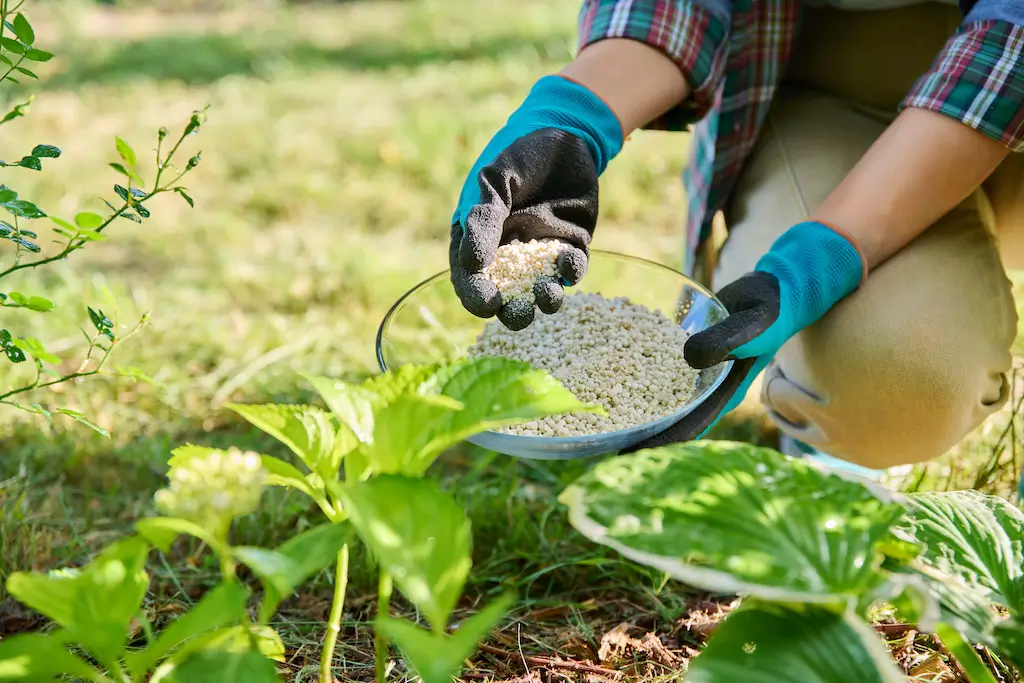
After winter, your lawn needs a nutrient boost. Fertilizing in spring helps it grow thick, green, and strong — but timing is everything.
Fertilize too early, and you’ll feed weeds instead of grass. The best time is mid to late spring when the soil warms to about 55°F.
If you’re not sure, wait until your grass starts growing on its own. That’s your cue.
Pick a slow-release fertilizer with nitrogen, phosphorus, and potassium. Nitrogen makes your grass green and phosphorus strengthens roots. Potassium also keeps it healthy and resilient.
Fertilizer bags have numbers like 10-10-10 or 20-5-10, which show the nutrient mix. In spring, choose one with more nitrogen for better growth.
Of course, don’t overdo it. Too much fertilizer can burn your lawn, leaving ugly brown spots.
Tip #2 – Water smart, not hard

Your lawn needs about 1 to 1.5 inches of water per week, including rain.
But before you grab the hose and start soaking everything in sight, there’s a smarter way to do it.
Water deeply but not too often. This helps roots grow stronger, so your lawn can handle dry spells better.
The best time to water is early in the morning, between 6 a.m. and 10 a.m. That way, the grass absorbs moisture before the sun gets too intense.
Watering at night is a bad idea. The grass stays wet too long, which can lead to fungus.
Not sure if you’re watering enough? Try the tuna can test.
Place an empty can on your lawn while watering. Once it fills up to about an inch, you’re good. No fancy tools needed. Just a can and a little patience.
And let’s talk sprinklers. A cheap one might leave dry patches or flood certain areas. If you want even coverage, invest in a good sprinkler system.
Tip #3 – Aerate your lawn for better air and water flow
Lawn aeration services can help your lawn get the air, water, and nutrients it needs by loosening compacted soil.
When soil gets packed down, roots struggle to grow.
Aerating creates small holes that let everything reach the roots more easily.
Spring is a great time to aerate, especially if your lawn gets a lot of foot traffic or has heavy clay soil.
Looser soil improves drainage and encourages deeper root growth, leading to stronger, healthier grass.
You can rent a core aerator from a garden center or hire a professional. This machine pulls out small plugs of soil, leaving holes about 2–3 inches apart.
If your lawn is small, a manual aerator works too, but it takes more effort.
Don’t aerate when the soil is too wet. That can compact it even more, which is the opposite of what you want.
Wait until the ground is moist but not muddy for the best results.
Tip #4 – Stop weeds before they start

Weeds love warm weather just as much as your grass does.
If you don’t stop them early, they’ll spread fast and take over, making your lawn look patchy and unkempt.
The best way to deal with weeds is to stop them before they even start.
A weed preventer (pre-emergent) blocks weed seeds from sprouting.
Apply it in early spring when the soil starts warming up, and you’ll keep troublemakers like crabgrass from taking over.
Planning to plant new grass? Skip the weed preventer — it stops all seeds from growing, including the ones you actually want.
If weeds pop up later, you can pull them by hand or use a weed killer (post-emergent) to get rid of them. And if all else fails, your local weed control professionals should be able to help.
Tip #5 – Patch up bare spots and overseed
Bare spots in your lawn are annoying, but fixable. They pop up for all sorts of reasons — pets, heavy foot traffic, or even lawn disease.
Whatever the cause, don’t ignore them. Weeds love empty spaces, and once they move in, they’re hard to get rid of.
Fixing a bare spot is easy. Rake out any dead grass, loosen the soil, and sprinkle grass seed over the area.
Cover it with a thin layer of topsoil, then water gently. Keep the soil damp (not soaked), and in a few weeks, you’ll see fresh green growth.
If your whole lawn looks a little thin, get the help of a professional overseeding service might be the way to go.
This just means spreading new grass seed over everything to make it thicker and healthier.
Pick a seed type that matches your yard’s sun or shade conditions, and let it do its thing.
But remember, new grass needs water. If the soil dries out, the seeds won’t sprout. Keep it consistently damp until the grass is strong enough to survive on its own.
Tip #6 – Edge your lawn for that clean, professional look

Edging might seem like a small detail, but it makes a big difference.
It gives your lawn a clean, polished look and keeps grass from creeping into flower beds and walkways.
If you want your yard to look well-maintained, edging is a quick way to step it up.
You can use a manual edger or a powered tool to create neat, defined lines along the edges of your lawn.
Follow the natural curves of your yard to keep it looking smooth and even.
It doesn’t take long, but it instantly makes your lawn look more put-together.
Just don’t go overboard. Cutting too deep can damage the roots at the edges, making the grass dry out faster.
Keep it shallow and consistent — that’s all you need for a crisp, professional finish.
Tip #7 – Feed your soil with compost
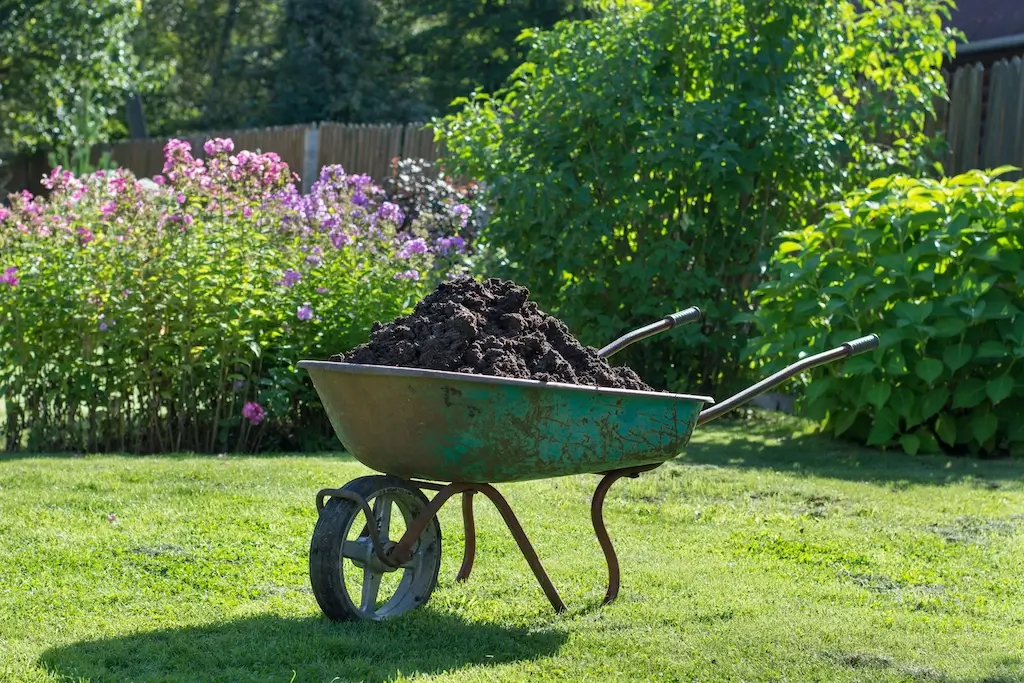
Healthy grass starts with healthy soil. Over time, soil loses nutrients, making it harder for your lawn to grow thick and green.
Add a thin layer of compost in spring to help replenish what’s missing.
Spread a light layer (about ¼ inch) of compost over your lawn and rake it in gently.
This improves soil quality, boosts beneficial microbes, and helps grass roots grow stronger.
If your lawn looks dull or struggles to stay green, compost can give it the nutrients it needs.
Make sure to use high-quality compost — either store-bought or homemade.
Avoid piling it on too thick, or you could smother the grass.
A light touch goes a long way in keeping your lawn lush and healthy all season.
Stick to the basics and keep your lawn thriving
Spring lawn care doesn’t have to be complicated.
By focusing on these 7 tips, you’ll have your lawn looking lush and healthy in no time.
The important thing is staying consistent. Regular watering, fertilising, and a bit of TLC will go a long way.
Remember, you don’t need to do everything at once. Tackle one task at a time, and before you know it, your lawn will be the envy of the neighbourhood.
Whether you’re dealing with bare spots, weeds, or just trying to keep your grass looking its best, these tips will help you get the job done.
Your lawn isn’t going to take care of itself, but with a little effort, you’ll be enjoying a green, vibrant lawn all spring and summer long.
If all of this sounds like too much work, don’t stress. Lawn care takes time, and not everyone has the hours to spare.
If you’re ready to get the best lawn without all the effort, reach out to a local lawn care expert. Sometimes, the easiest way to a greener lawn is letting someone else do the hard work!
