
Key takeaways
- Summer lawn treatment means watering early and using products made for heat so your grass stays green, even when it’s 100°F.
- Water deeply before 9 a.m., and skip daily sprinkles that only encourage weak, shallow roots.
- Use slow-release fertilizer made for summer, treat weeds only when they appear, and keep an eye out for grubs chewing through roots mid-season.
When it’s hot enough outside to fry an egg on the sidewalk, your lawn feels it too.
Dry patches show up overnight, the green fades fast, and weeds start creeping in.
Most people try to fight it with more water. They run the sprinklers longer and more often.
But without a real plan, that does more harm than good.
Hot weather doesn’t just dry things out. It stresses the grass from the roots up.
That makes it easier for bugs and weeds to take over. And if the lawn gets weak, it won’t bounce back, even when the heat fades.
The good news is you don’t need fancy tools to keep things green. You just need to focus on the right things.
These six tips work where it matters, and that is below the surface.
They help the roots stay cool, make better use of water, and stop problems before they spread.
Tip #1: Water early in the morning before it gets hot

If you’re doing it at noon, most of it’s gone before your grass gets a chance to drink.
The best time is between 5 and 9 in the morning. That’s when the sun’s still low, the wind’s calm, and the water can actually soak in.
Your grass gets what it needs. The soil stays moist longer. You don’t waste water or money.
Skip the daily light sprinkle. Go for two deep soaks a week instead. That’s enough to give the roots a reason to grow deeper, where the soil stays cooler.
One inch a week is the goal. You can check by setting out an empty tuna can. Once it fills up, you’re good.
Evening watering sounds easy, but it causes more problems. Wet grass overnight invites fungus, and once it spreads, it’s hard to fix.
The better your timing, the stronger your lawn. Let it build deep roots, and it won’t need constant help just to stay green.
Tip #2: Use slow-release nitrogen fertilizers made for hot weather
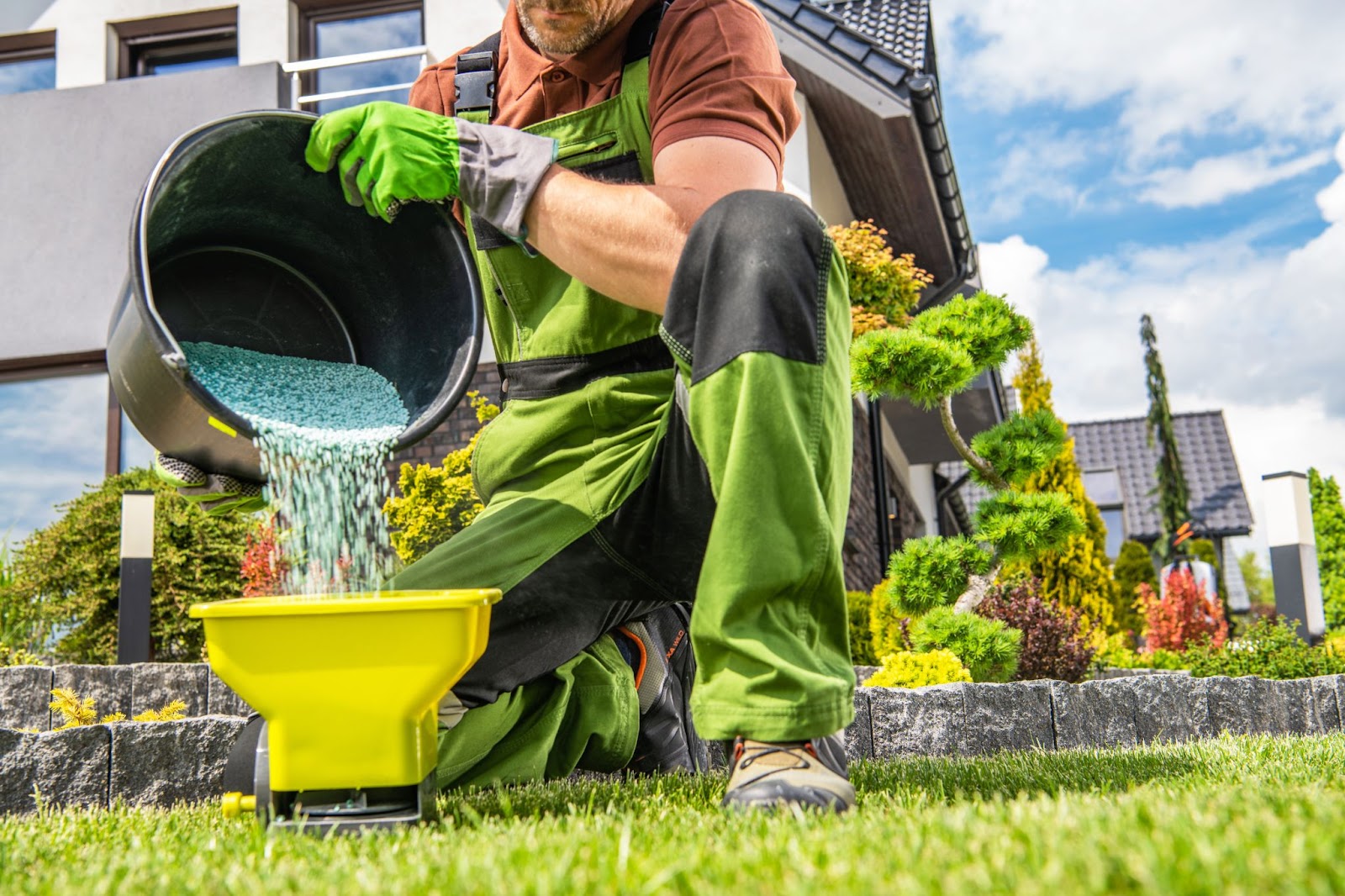
Summer heat changes how your lawn takes in nutrients. Fast-acting products release too much nitrogen at once. That can burn your grass, especially if the soil’s already dry.
In hot weather, that quick boost does more harm than good. Slow-release fertilizers work better. They break down gradually, feeding your lawn over time instead of all at once.
Look for ones labeled for summer use or extended feeding. These are made to handle heat without stressing the grass. Go for something with a balanced mix that feeds steadily without forcing fast growth.
Apply every six to eight weeks during the growing season. Skip it during a heatwave unless you’re watering consistently.
Also, make sure to follow the label. Adding more than you need won’t speed anything up, because it just raises the risk of damage or runoff.
If you’re using anything with weed control mixed in, make sure it’s safe for summer. Most aren’t built for hot weather.
If weeds keep popping up, it might be time to look into local weed control services that can handle the job without stressing your lawn.
Tip #3: Spot-treat weeds with post-emergent herbicides only when needed

It’s tempting to spray the whole lawn when a few weeds show up. But doing that in summer usually makes things worse.
The heat already puts stress on your grass, and heavy chemical sprays can tip it over the edge.
It’s better to go after weeds one at a time.
Dandelions, crabgrass, clover all need the same thing: a direct hit with a hand sprayer or pump bottle.
Spot-treating keeps things under control without overwhelming your lawn.
If you prefer a lighter approach, iron-based options and other low-chemical sprays can work well.
You can also see what the pros use in this guide on what do lawn care companies use to kill weeds.
Whatever you choose, check the temperature before spraying. Most herbicides stop being safe once it’s over 85°F.
Apply during the cooler part of the day if you can, and give it time. Most treatments take a few days to show results.
If the same weeds keep coming back, or you’re seeing more than you can handle, weed control services can take care of it without putting extra stress on your lawn.
Avoid mixing weed killer with fertilizer unless the label clearly says it’s heat-safe. In summer, combo products tend to fall short.
Slow, careful treatment works better than spraying everything in sight, especially when your lawn’s already working hard to survive the heat.
Tip #4: Aerate compacted soil before peak summer sets in
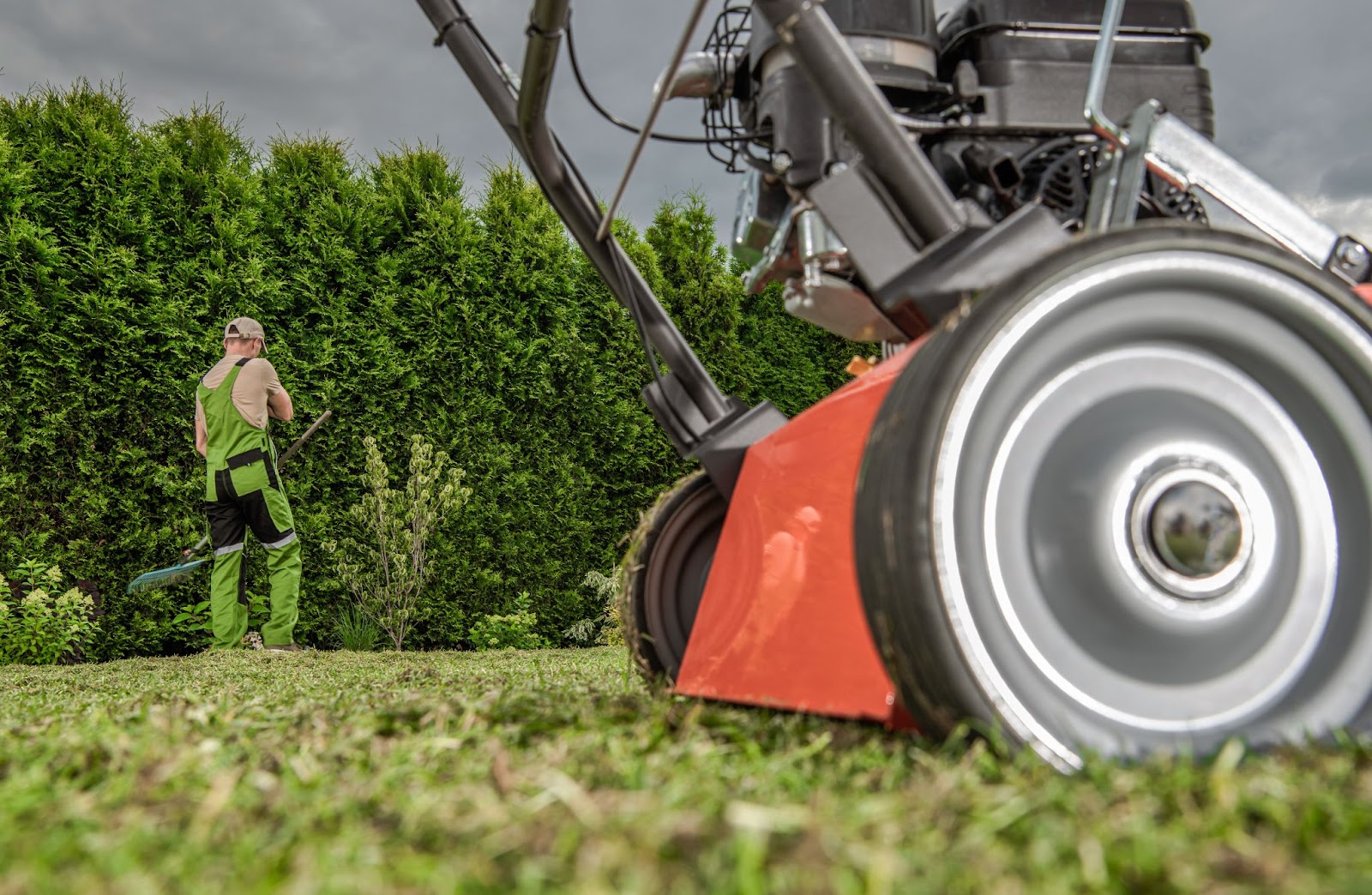
Compacted soil is one of the main reasons lawns start to fail in the heat.
When the ground gets too tight, roots can’t breathe.
Water doesn’t soak in as well. Nutrients stay near the surface, where they dry out fast.
That’s when grass starts breaking down from the bottom up.
Core aeration helps by pulling small plugs from the soil. This loosens things up so roots can grow deeper and stay cooler.
Skip the spiked shoes. These don’t remove anything, because they just press soil sideways.
You need a proper aerator that pulls plugs clean from the soil.
If you’d rather skip the equipment, lawn aeration and seeding services can handle it for you. It’s quick, clean, and gets the job done right.
The best time is late spring or early summer, while your lawn is still actively growing. That gives the grass time to recover before the hottest stretch kicks in.
Avoid doing it during a heatwave. Exposed soil dries out fast and can leave the lawn worse off.
Pay extra attention to spots that get walked on a lot, like areas where kids play, pets hang out, or cars cut across the edge.
Those spots compact quicker and take longer to bounce back without help.
Tip #5: Watch out for grubs mid-summer and act fast if they show up
Grubs tend to show up when summer’s in full swing.
They’re the white, curled-up larvae of beetles that live just under the soil and feed on grass roots.
The damage starts slow, but it spreads fast if you don’t catch it early.
You’ll see brown patches that lift easily when you pull on them, almost like loose carpet.
The ground might feel softer than usual when you walk across it.
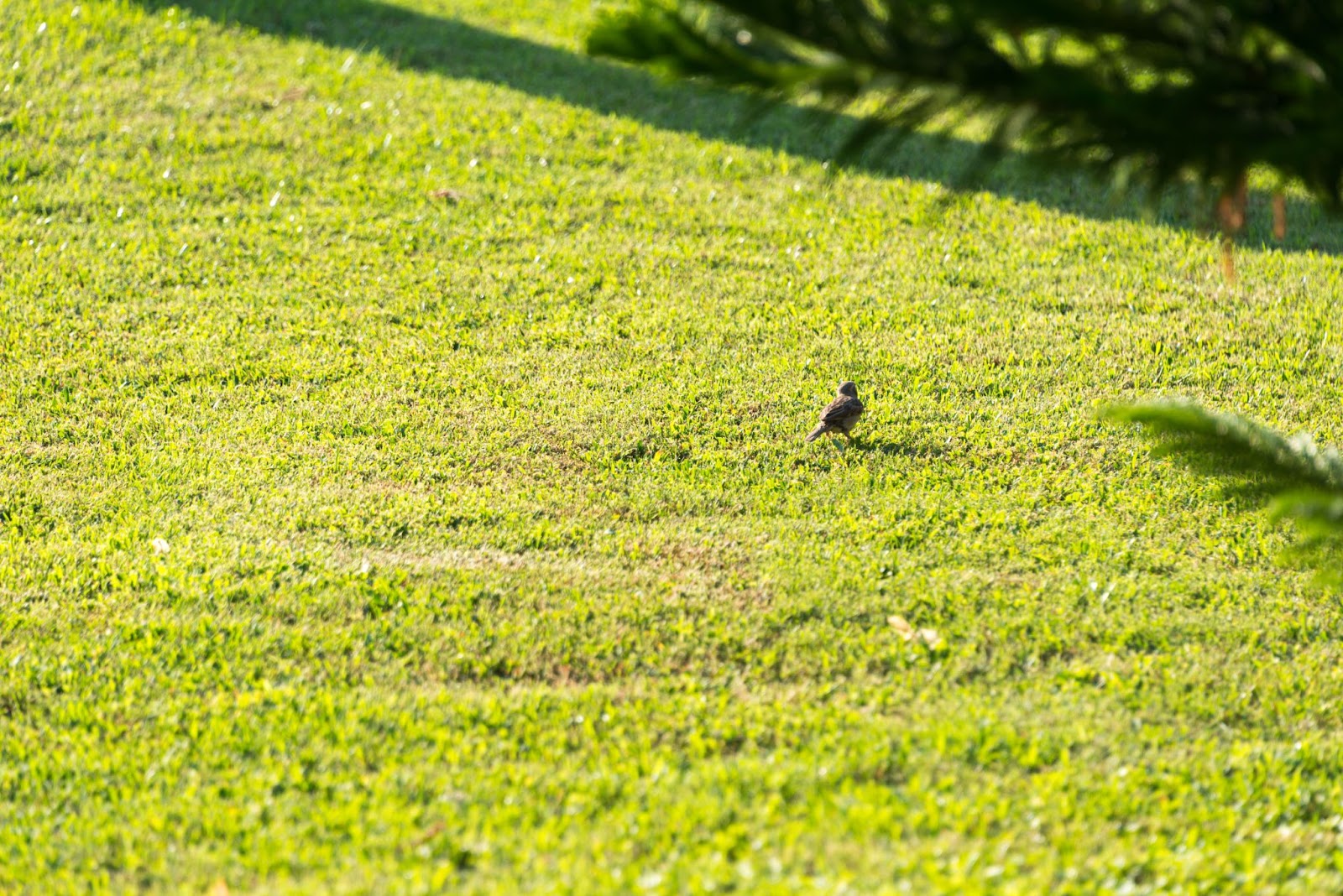
If birds or raccoons start digging holes, they’re probably going after grubs.
There are a couple of ways to deal with them.
One is to have a preventive treatment in early summer before the eggs hatch. The other is a mid-season option that targets active grubs underground.
Both can work, but timing matters.
Once the damage spreads, recovery takes longer, and the lawn has a harder time bouncing back.
Every few weeks, peel up a small square of turf and take a look underneath. If you find more than a few grubs in one area, it’s time to act.
You can handle it yourself or look into grub control near you if you want it done quickly and properly.
Waiting too long turns small patches into bare ones, and those can hang around into fall.
Tip #6: Don’t overwater even when it feels too dry out there
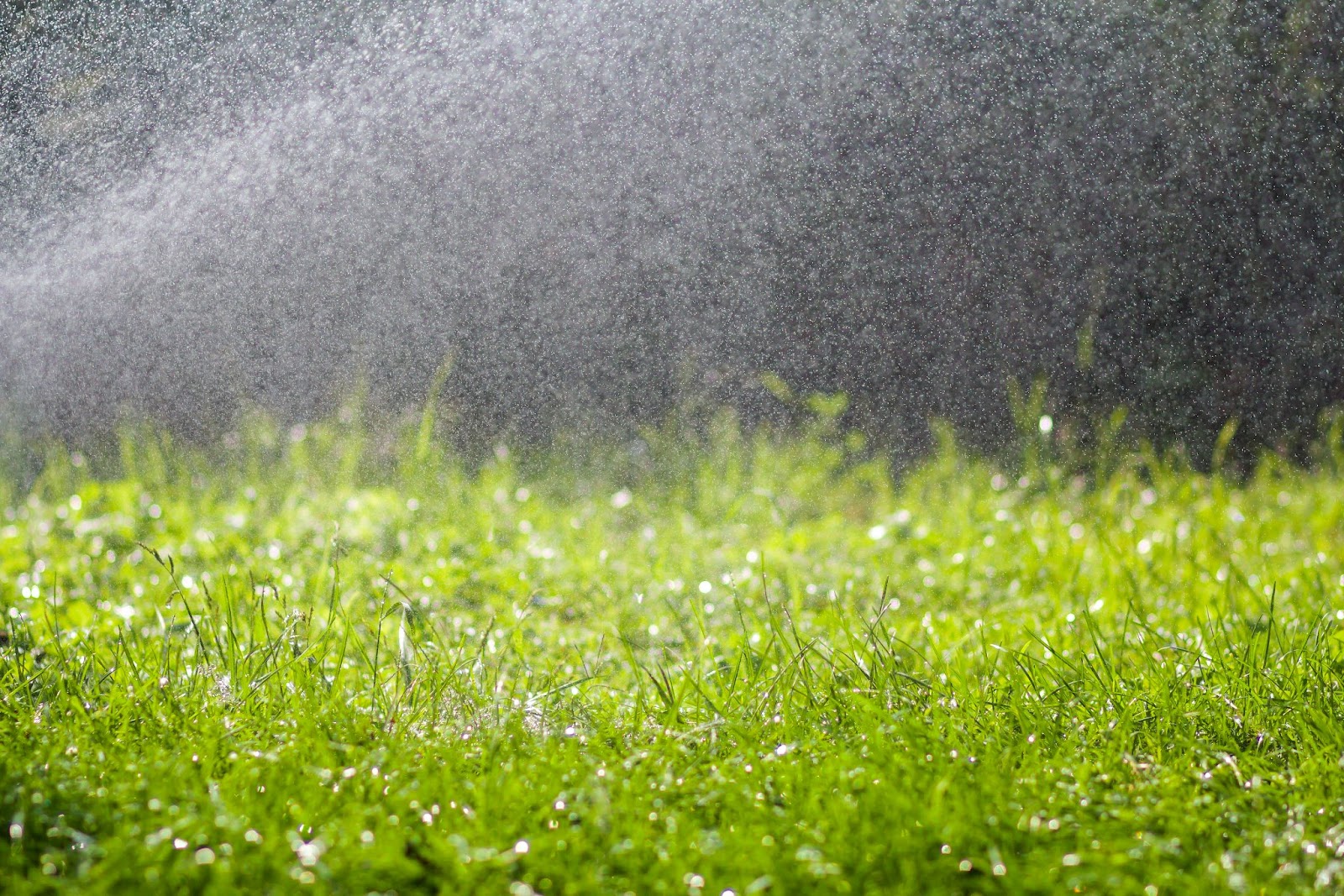
When the sun’s been beating down for days, it’s easy to think your lawn needs water every morning.
But watering too often does more harm than good. It trains the roots to stay near the surface, where the soil dries out fastest. That makes your grass weaker, not stronger.
It also invites fungal problems. Too much moisture near the surface, especially overnight, creates a warm, damp environment where disease spreads fast.
Instead, focus on giving the lawn fewer but deeper soakings. Twice a week is enough, even in the middle of summer, if you do it right.
You want the water to reach 6 inches deep so the roots grow down and stay cooler. That’s what helps your lawn handle heat without going patchy.
If you’re not sure whether it needs watering, try the screwdriver test.
Push a screwdriver into the soil. If it slides in easily, the ground’s still moist. If it’s tough to push down, it’s time to water.
It’s also good to let the top inch of soil dry out between sessions. That short dry period strengthens roots and helps prevent fungus.
More water doesn’t mean healthier grass. It just runs up the bill and creates a lawn that can’t cope when the weather turns.
Wrap up your summer lawn treatment with habits that help it recover

When the heat kicks in, grass takes longer to bounce back. Walking all over it doesn’t help.
Try to keep foot traffic low during the hottest part of the day.
From noon to late afternoon, the sun hits hardest and the ground dries fast.
If you’ve got kids or pets, guide them toward shaded spots or side paths.
For areas that always get stepped on, lay down a few temporary stones.
And if you’re hosting, keep chairs and tables on patios or mulch, not on the lawn. It’s easier to protect the grass now than fix it later.
That’s the real heart of summer lawn treatment. It’s not doing more, but making smart moves when your lawn needs them most.
Water less often, but go deep. Use fertilizer that’s made for heat, and watch for signs of stress before things get worse.
If you need extra help, a lawn treatment company can take the pressure off and keep things on track.
These small habits make a big difference when it’s hot out. If you do them right, your lawn stays green all the way through.
