
Key takeaways
- Tree trimming keeps plants looking neat. Tree pruning keeps them healthy.
- Trim during the growing season to control shape. Prune in late winter to encourage new growth.
- Use hedge trimmers or shears for trimming. Grab pruners or loppers for pruning.
Tree pruning and trimming might sound like the same thing, but they’re not.
Both essential tree care involve cutting. But one is all about looks. The other is about tree health.
In addition to relying on the right lawn care services that save you from stress, knowing the difference between pruning and trimming helps you keeps your yard in top shape.
We’ll break it down so you know exactly when to trim, when to prune, and why these tree services matter.
4 differences between trimming vs pruning
#1 — Trimming is for tree maintenance. Pruning is for improvement.

Both pruning and trimming are essential for any type of tree or shrub, but they serve completely different purposes.
One is about control, the other is about care.
Trimming is most often used to improve the health, appearance, and safety of a tree or plant.
It keeps hedges, shrubs, and fast-growing plants looking neat by cutting back overgrown leaves and small tree branches.
If your hedge is sprouting unevenly or a bush has wild branches sticking out, trimming smooths things out. It doesn’t change how the plant grows. It just keeps it in shape.
Pruning, on the other hand, is about plant health. It removes dead, weak, or diseased branches so the plant can put energy into new, strong growth.
A thick rose bush with tangled branches won’t get enough sunlight or airflow, which makes it an easy target for disease.
Pruning also clears out the mess, helping the plant grow better and live longer. It also prevents problems before they spread.
When you cut back the tangled mess, it gives the plant more space to breathe and put energy into fresh, healthy blooms.
#2 — Spring and summer vs. winter and spring
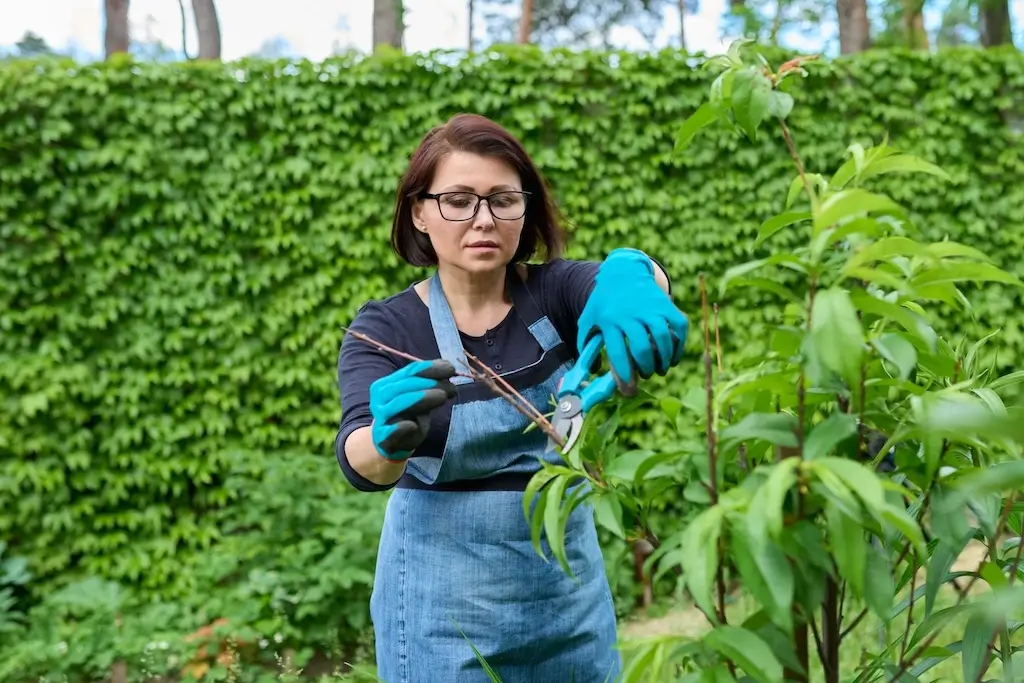
Timing matters. The frequency of trimming differs from pruning.
Trimming is best during the growing season, mainly spring and summer.
This is when plants grow fast, and trimming helps control their shape without slowing them down.
Trim your hedges in late spring, and they’ll stay neat as they keep growing through summer.
Pruning takes a bit more planning. But trees should be pruned during late winter or early spring to avoid cutting the tree when it’s vulnerable.
With less sap flowing, pruning causes less stress and lowers the risk of infection.
Plus, cutting back before new growth starts gives plants a fresh start for the season ahead.
Some plants are an exception.
If you’re dealing with flowering trees or plants, like lilacs and other spring bloomers, they should be pruned right after they flower, or you’ll cut off next year’s buds.
On the other hand, pruning during peak growing season can shock a shrub or tree, and trimming too late in fall can leave it vulnerable to winter damage.
Cut at the right time, and your plants will grow stronger. Cut at the wrong time, and you might set them back.
Choosing the right tools is key to safe and effective tree trimming and tree pruning. And no, you can’t just grab kitchen scissors and call it a day.
For trimming, light-duty tools work best. Manual hedge shears, electric trimmers, or handheld clippers are great for quick snips and shaping hedges or ornamental grasses.
These tools are made for speed and precision on surface-level growth.
For pruning, especially on mature trees, you’ll need something stronger to avoid damage and promote tree health and aesthetics.
Bypass pruners and pruning shears work for small branches, loppers handle medium ones, and pruning saws take care of thick limbs.
Each tool is designed for a specific job. Using the wrong one can affect the health of the tree.
Poor pruning cuts do not heal properly, which exposes the plant to disease and pests. Try to cut a thick branch with dull shears, and you’ll crush it instead of slicing it cleanly.
Before you start, check your tools. Keep them sharp and clean to prevent infections. Your plants will thank you.
#4 — Change how it looks vs. change how it grows
Both pruning and trimming are important to maintain the health of the tree.
When you trim, you control surface-level growth. Cutting back overgrown areas makes shrubs and hedges look fuller and more compact.
It encourages dense foliage, which is great for ornamental plants that need to maintain a specific shape.
But tree trimming also comes with risks, especially if you’re DIYing.
Cutting too much or at the wrong time can cause stress on the tree.
Pruning, however, affects a plant’s long-term health.
When you remove weak or dead branches from flowering trees, it redirects energy to the strongest parts of the plant, leading to better blooms, sturdier stems, and deeper root growth.
A pruned fruit tree, for example, produces better-quality fruit because it’s not wasting energy on unhealthy limbs.
Tree trimming is mostly about managing what’s already there. Pruning actively improves future growth. Overdo trimming, and you might weaken a plant.
Skip pruning, and you risk stunted growth and disease.
How to decide between trimming and pruning
Not sure whether to trim or prune trees? It all comes down to what your plant needs.
Understanding the difference between tree trimming and pruning can help you decide what tree care service to choose.
One of the benefits of tree trimming is shaping and keeping things tidy. If your hedge is overgrown or a shrub has stray branches sticking out, trimming is the quick fix.
Pruning is for plant health and long-term growth. If a tree has dead or diseased branches or a shrub is too crowded, pruning helps it stay strong and grow properly.
Sometimes, you’ll need both. An overgrown hedge might need trimming, while a nearby fruit tree could need pruning to produce better fruit.
Not sure where to start? Whether your plants need trimming, pruning, or a little extra care, expert help can make all the difference. Learn more about professional tree and shrub care services here.
Use the right method at the right time, and your plants will thrive. So grab your tools, get outside, and give your garden the care it deserves.And if all this gets a bit too overwhelming, your local lawn care company would surely be happy to help.